
Calibration Management Software in Mexico
Calibration Management Software in Mexico
David Bentley
Quality Assurance Engineer
6 min read
Calibration Management Software in Mexico
Mexico's rapidly expanding manufacturing sector has positioned the country as a global leader in automotive, aerospace, electronics, and pharmaceutical production. As international companies establish operations throughout Mexican states like Nuevo León, Jalisco, and Baja California, the demand for robust calibration management software in Mexico has never been higher. From precision machining centers in Tijuana to pharmaceutical facilities in Mexico City, maintaining measurement accuracy and regulatory compliance requires sophisticated digital solutions that can handle the unique challenges of Mexico's diverse industrial landscape.
Modern Mexican manufacturers face increasing pressure to meet stringent quality standards from international customers while navigating complex regulatory requirements from COFEPRIS, automotive OEMs, and aerospace prime contractors. Traditional paper-based calibration tracking systems simply cannot keep pace with the demands of today's high-volume production environments and multi-site operations.
Mexico's Industrial Manufacturing Landscape
Mexico has emerged as a manufacturing powerhouse, with industrial production contributing over 30% of the country's GDP. The nation's strategic location, skilled workforce, and favorable trade agreements have attracted billions in foreign investment, particularly in the northern border states and central industrial corridors.
The maquiladora industry continues to drive significant growth, with over 3,000 manufacturing facilities operating under this program. These plants typically serve U.S. and Canadian markets, requiring adherence to North American quality standards and traceability requirements. From Tijuana's electronics assembly plants to Juárez's automotive component manufacturers, precision measurement and calibration management are critical for maintaining competitive advantage.
Key manufacturing hubs include:
Nuevo León - Home to major automotive and steel production facilities
Jalisco - Electronics, aerospace, and pharmaceutical manufacturing center
Baja California - Medical device, electronics, and automotive assembly
Chihuahua - Automotive, aerospace, and electrical components
Estado de México - Automotive, chemical, and food processing industries
Key Industries Requiring Calibration Management Software in Mexico
Mexico's diverse industrial base spans multiple sectors where precision measurement and calibration management are essential for quality, safety, and regulatory compliance.
Automotive Manufacturing
Mexico is the world's fourth-largest automotive exporter, with major OEMs like GM, Ford, Volkswagen, and Nissan operating extensive production facilities. Automotive suppliers must maintain tight tolerances on critical components like engine blocks (bore diameter tolerances of ±0.05mm), transmission housings, and brake components. Coordinate measuring machines (CMMs), surface roughness testers, and torque wrenches require regular calibration to ensure parts meet customer specifications and safety requirements.
Aerospace and Defense
Mexico's aerospace sector has grown rapidly, with companies like Bombardier, Safran, and GE Aviation establishing manufacturing operations. Aerospace components demand exceptional precision - turbine blade profiles with tolerances of ±0.025mm, critical fasteners requiring calibrated torque tools, and non-destructive testing equipment for safety-critical inspections. AS9100 certification requires comprehensive calibration records and measurement system analysis.
Electronics and Medical Devices
From smartphone assembly in Tijuana to cardiac pacemaker production in Mexicali, electronics manufacturers rely on calibrated test equipment including multimeters, oscilloscopes, and environmental chambers. Medical device manufacturers face additional regulatory oversight from FDA and COFEPRIS, requiring calibration procedures that support 21 CFR Part 820 and ISO 13485 compliance.
Oil, Gas, and Petrochemicals
PEMEX facilities and international energy companies operating in Mexico depend on calibrated pressure transmitters, flow meters, and analytical instruments. Safety-critical applications in refineries and offshore platforms require calibration intervals as frequent as quarterly, with documented traceability to national standards.
Ready to streamline your calibration management? Start your free 30-day trial of Gaugify and see how cloud-based calibration management can transform your quality operations across multiple facilities.
Quality Standards and Regulatory Requirements
Mexican manufacturers must navigate a complex landscape of international quality standards, customer-specific requirements, and local regulations. The most commonly implemented standards include:
ISO 9001:2015 - Required by most international customers and Mexican government contracts
IATF 16949:2016 - Mandatory for automotive suppliers to major OEMs
AS9100D - Essential for aerospace and defense contractors
ISO 13485:2016 - Required for medical device manufacturers
ISO 14001 - Environmental management systems
ISO 17025 - For calibration and testing laboratories
Customer audits from Ford, GM, Boeing, and other major companies frequently focus on calibration system effectiveness. Auditors expect to see calibration schedules maintained, overdue items flagged immediately, and measurement uncertainty calculations documented. Mexican facilities serving multiple customers often must demonstrate compliance with overlapping requirements from different standards simultaneously.
Regional Calibration Management Challenges in Mexico
Operating calibration programs in Mexico presents unique challenges that require specialized solutions beyond standard quality management approaches.
Climate and Environmental Factors
Mexico's diverse climate zones impact calibration stability and scheduling. Coastal facilities in Veracruz and Tampico face high humidity that affects electronic instruments, while desert locations in Sonora experience extreme temperature variations. Environmental chambers and precision scales may drift more quickly in these conditions, requiring more frequent calibration intervals and robust environmental monitoring.
Multi-Site Coordination
Many manufacturers operate multiple facilities across Mexico, creating coordination challenges for calibration management. A automotive supplier might have stamping operations in Saltillo, machining in San Luis Potosí, and assembly in Tijuana. Coordinating calibration schedules, sharing certified reference standards, and maintaining consistent procedures across locations requires centralized digital management.
Language and Documentation Requirements
Calibration documentation must often accommodate both Spanish-speaking technicians and English-language customer requirements. Work instructions, calibration certificates, and training records need bilingual support while maintaining technical accuracy and regulatory compliance.
Supply Chain and Logistics
Shipping precision instruments to external calibration laboratories can be challenging, particularly for facilities in more remote industrial parks. Border crossings for instruments requiring calibration in the United States involve customs documentation and potential delays. Many companies prefer on-site calibration services or internal laboratory capabilities to maintain better control over schedules and costs.
How Calibration Management Software in Mexico Addresses These Challenges
Modern cloud-based calibration management solutions like Gaugify are specifically designed to address the complex requirements of Mexican manufacturing operations while providing the flexibility and scalability needed for growth.
Cloud-Based Architecture for Multi-Site Operations
Unlike traditional installed software that requires IT infrastructure at each location, cloud-based calibration management software in Mexico provides instant access from any facility with internet connectivity. Quality managers in corporate offices can monitor calibration status across all locations, while shop floor technicians access current work instructions on tablets or smartphones. This approach eliminates the need for expensive server installations and reduces IT support requirements.
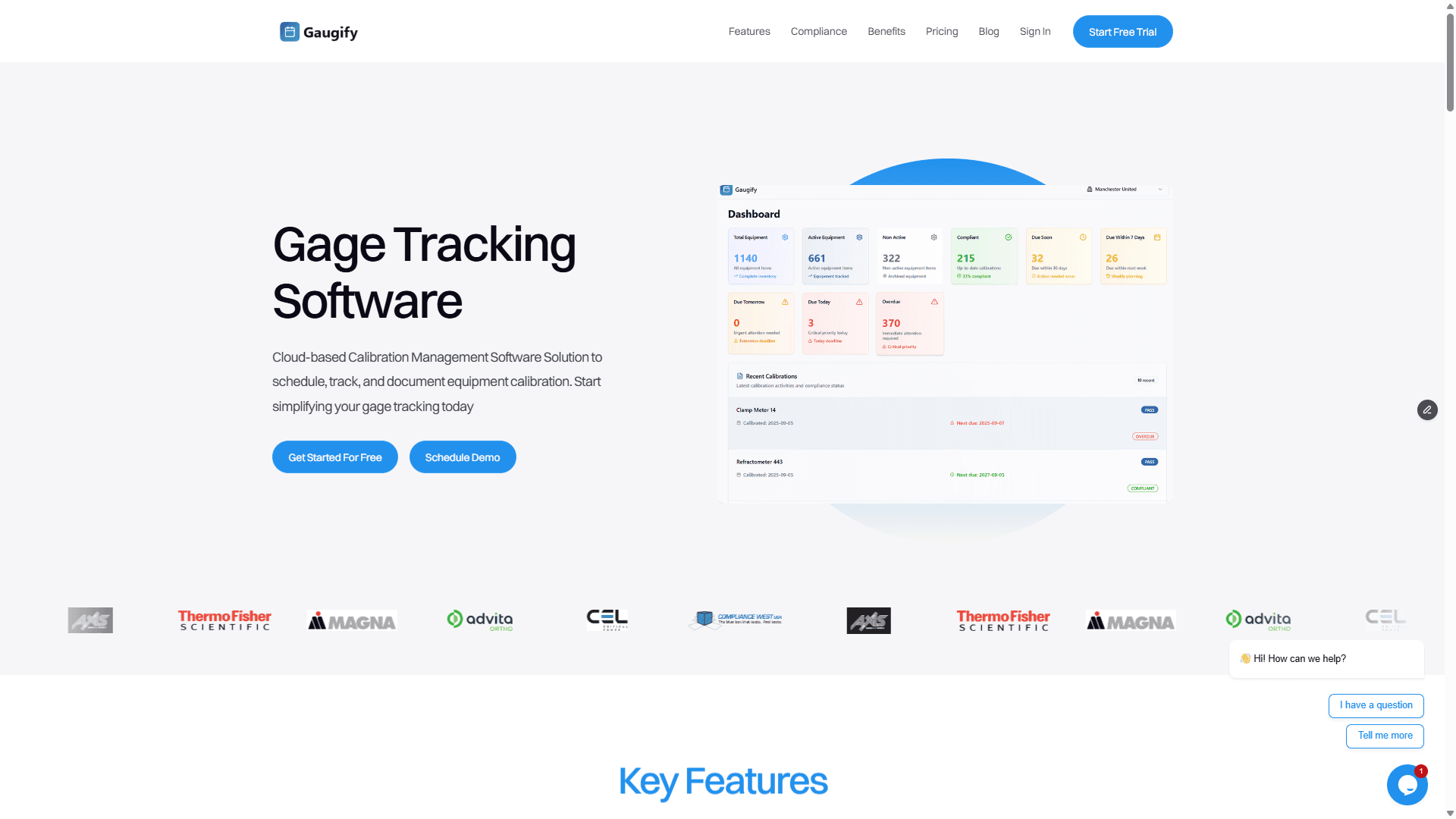
Gaugify's comprehensive feature set includes real-time dashboard views of calibration status, automated email notifications for upcoming due dates, and mobile access for field technicians. The system automatically handles time zone differences between facilities and provides Spanish-language interface options for local users.
Regulatory Compliance and Standards Support
Meeting multiple quality standards simultaneously requires calibration software that can adapt to different requirements without compromising data integrity. Gaugify supports all major quality standards including ISO 9001, IATF 16949, AS9100, and ISO 13485. The system maintains complete audit trails, supports electronic signatures, and generates compliance reports formatted for specific customer requirements.
For laboratories requiring ISO 17025 compliance, advanced features include measurement uncertainty calculations, proficiency testing tracking, and method validation documentation. These capabilities are essential for companies operating internal calibration laboratories or providing calibration services to other manufacturers.
Integration with Existing Quality Systems
Mexican manufacturing facilities typically operate multiple quality management systems for different aspects of production control. Modern calibration management software integrates with existing ERP systems, quality management platforms, and maintenance management systems through APIs and data import/export capabilities. This integration eliminates duplicate data entry and ensures calibration status information is available throughout the organization.
Getting Started with Modern Calibration Management
Implementing digital calibration management delivers immediate benefits for Mexican manufacturers, from reduced administrative overhead to improved customer audit performance. The transition from paper-based or spreadsheet systems typically pays for itself within months through improved efficiency and reduced compliance risks.
Key implementation benefits include:
Automated scheduling and notifications eliminate overdue calibrations
Real-time visibility into calibration status across all facilities
Standardized procedures ensure consistent quality regardless of location
Digital certificates and documentation reduce storage requirements and improve accessibility
Comprehensive reporting supports customer audits and management reviews
For companies evaluating calibration management software in Mexico, cloud-based solutions offer significant advantages over traditional installed systems. Lower upfront costs, automatic updates, and scalable pricing models make advanced calibration management accessible to facilities of all sizes.
Whether you're managing a single facility in Mexico City or coordinating calibration programs across multiple maquiladora operations, modern calibration management software provides the tools needed to maintain compliance, improve efficiency, and support continued growth in Mexico's competitive manufacturing environment.
Ready to modernize your calibration management? Experience the power of cloud-based calibration management with Gaugify's free 30-day trial. No installation required - start managing your calibration program more effectively today, or schedule a personalized demo to see how Gaugify can address your specific requirements.
Calibration Management Software in Mexico
Mexico's rapidly expanding manufacturing sector has positioned the country as a global leader in automotive, aerospace, electronics, and pharmaceutical production. As international companies establish operations throughout Mexican states like Nuevo León, Jalisco, and Baja California, the demand for robust calibration management software in Mexico has never been higher. From precision machining centers in Tijuana to pharmaceutical facilities in Mexico City, maintaining measurement accuracy and regulatory compliance requires sophisticated digital solutions that can handle the unique challenges of Mexico's diverse industrial landscape.
Modern Mexican manufacturers face increasing pressure to meet stringent quality standards from international customers while navigating complex regulatory requirements from COFEPRIS, automotive OEMs, and aerospace prime contractors. Traditional paper-based calibration tracking systems simply cannot keep pace with the demands of today's high-volume production environments and multi-site operations.
Mexico's Industrial Manufacturing Landscape
Mexico has emerged as a manufacturing powerhouse, with industrial production contributing over 30% of the country's GDP. The nation's strategic location, skilled workforce, and favorable trade agreements have attracted billions in foreign investment, particularly in the northern border states and central industrial corridors.
The maquiladora industry continues to drive significant growth, with over 3,000 manufacturing facilities operating under this program. These plants typically serve U.S. and Canadian markets, requiring adherence to North American quality standards and traceability requirements. From Tijuana's electronics assembly plants to Juárez's automotive component manufacturers, precision measurement and calibration management are critical for maintaining competitive advantage.
Key manufacturing hubs include:
Nuevo León - Home to major automotive and steel production facilities
Jalisco - Electronics, aerospace, and pharmaceutical manufacturing center
Baja California - Medical device, electronics, and automotive assembly
Chihuahua - Automotive, aerospace, and electrical components
Estado de México - Automotive, chemical, and food processing industries
Key Industries Requiring Calibration Management Software in Mexico
Mexico's diverse industrial base spans multiple sectors where precision measurement and calibration management are essential for quality, safety, and regulatory compliance.
Automotive Manufacturing
Mexico is the world's fourth-largest automotive exporter, with major OEMs like GM, Ford, Volkswagen, and Nissan operating extensive production facilities. Automotive suppliers must maintain tight tolerances on critical components like engine blocks (bore diameter tolerances of ±0.05mm), transmission housings, and brake components. Coordinate measuring machines (CMMs), surface roughness testers, and torque wrenches require regular calibration to ensure parts meet customer specifications and safety requirements.
Aerospace and Defense
Mexico's aerospace sector has grown rapidly, with companies like Bombardier, Safran, and GE Aviation establishing manufacturing operations. Aerospace components demand exceptional precision - turbine blade profiles with tolerances of ±0.025mm, critical fasteners requiring calibrated torque tools, and non-destructive testing equipment for safety-critical inspections. AS9100 certification requires comprehensive calibration records and measurement system analysis.
Electronics and Medical Devices
From smartphone assembly in Tijuana to cardiac pacemaker production in Mexicali, electronics manufacturers rely on calibrated test equipment including multimeters, oscilloscopes, and environmental chambers. Medical device manufacturers face additional regulatory oversight from FDA and COFEPRIS, requiring calibration procedures that support 21 CFR Part 820 and ISO 13485 compliance.
Oil, Gas, and Petrochemicals
PEMEX facilities and international energy companies operating in Mexico depend on calibrated pressure transmitters, flow meters, and analytical instruments. Safety-critical applications in refineries and offshore platforms require calibration intervals as frequent as quarterly, with documented traceability to national standards.
Ready to streamline your calibration management? Start your free 30-day trial of Gaugify and see how cloud-based calibration management can transform your quality operations across multiple facilities.
Quality Standards and Regulatory Requirements
Mexican manufacturers must navigate a complex landscape of international quality standards, customer-specific requirements, and local regulations. The most commonly implemented standards include:
ISO 9001:2015 - Required by most international customers and Mexican government contracts
IATF 16949:2016 - Mandatory for automotive suppliers to major OEMs
AS9100D - Essential for aerospace and defense contractors
ISO 13485:2016 - Required for medical device manufacturers
ISO 14001 - Environmental management systems
ISO 17025 - For calibration and testing laboratories
Customer audits from Ford, GM, Boeing, and other major companies frequently focus on calibration system effectiveness. Auditors expect to see calibration schedules maintained, overdue items flagged immediately, and measurement uncertainty calculations documented. Mexican facilities serving multiple customers often must demonstrate compliance with overlapping requirements from different standards simultaneously.
Regional Calibration Management Challenges in Mexico
Operating calibration programs in Mexico presents unique challenges that require specialized solutions beyond standard quality management approaches.
Climate and Environmental Factors
Mexico's diverse climate zones impact calibration stability and scheduling. Coastal facilities in Veracruz and Tampico face high humidity that affects electronic instruments, while desert locations in Sonora experience extreme temperature variations. Environmental chambers and precision scales may drift more quickly in these conditions, requiring more frequent calibration intervals and robust environmental monitoring.
Multi-Site Coordination
Many manufacturers operate multiple facilities across Mexico, creating coordination challenges for calibration management. A automotive supplier might have stamping operations in Saltillo, machining in San Luis Potosí, and assembly in Tijuana. Coordinating calibration schedules, sharing certified reference standards, and maintaining consistent procedures across locations requires centralized digital management.
Language and Documentation Requirements
Calibration documentation must often accommodate both Spanish-speaking technicians and English-language customer requirements. Work instructions, calibration certificates, and training records need bilingual support while maintaining technical accuracy and regulatory compliance.
Supply Chain and Logistics
Shipping precision instruments to external calibration laboratories can be challenging, particularly for facilities in more remote industrial parks. Border crossings for instruments requiring calibration in the United States involve customs documentation and potential delays. Many companies prefer on-site calibration services or internal laboratory capabilities to maintain better control over schedules and costs.
How Calibration Management Software in Mexico Addresses These Challenges
Modern cloud-based calibration management solutions like Gaugify are specifically designed to address the complex requirements of Mexican manufacturing operations while providing the flexibility and scalability needed for growth.
Cloud-Based Architecture for Multi-Site Operations
Unlike traditional installed software that requires IT infrastructure at each location, cloud-based calibration management software in Mexico provides instant access from any facility with internet connectivity. Quality managers in corporate offices can monitor calibration status across all locations, while shop floor technicians access current work instructions on tablets or smartphones. This approach eliminates the need for expensive server installations and reduces IT support requirements.
Gaugify's comprehensive feature set includes real-time dashboard views of calibration status, automated email notifications for upcoming due dates, and mobile access for field technicians. The system automatically handles time zone differences between facilities and provides Spanish-language interface options for local users.
Regulatory Compliance and Standards Support
Meeting multiple quality standards simultaneously requires calibration software that can adapt to different requirements without compromising data integrity. Gaugify supports all major quality standards including ISO 9001, IATF 16949, AS9100, and ISO 13485. The system maintains complete audit trails, supports electronic signatures, and generates compliance reports formatted for specific customer requirements.
For laboratories requiring ISO 17025 compliance, advanced features include measurement uncertainty calculations, proficiency testing tracking, and method validation documentation. These capabilities are essential for companies operating internal calibration laboratories or providing calibration services to other manufacturers.
Integration with Existing Quality Systems
Mexican manufacturing facilities typically operate multiple quality management systems for different aspects of production control. Modern calibration management software integrates with existing ERP systems, quality management platforms, and maintenance management systems through APIs and data import/export capabilities. This integration eliminates duplicate data entry and ensures calibration status information is available throughout the organization.
Getting Started with Modern Calibration Management
Implementing digital calibration management delivers immediate benefits for Mexican manufacturers, from reduced administrative overhead to improved customer audit performance. The transition from paper-based or spreadsheet systems typically pays for itself within months through improved efficiency and reduced compliance risks.
Key implementation benefits include:
Automated scheduling and notifications eliminate overdue calibrations
Real-time visibility into calibration status across all facilities
Standardized procedures ensure consistent quality regardless of location
Digital certificates and documentation reduce storage requirements and improve accessibility
Comprehensive reporting supports customer audits and management reviews
For companies evaluating calibration management software in Mexico, cloud-based solutions offer significant advantages over traditional installed systems. Lower upfront costs, automatic updates, and scalable pricing models make advanced calibration management accessible to facilities of all sizes.
Whether you're managing a single facility in Mexico City or coordinating calibration programs across multiple maquiladora operations, modern calibration management software provides the tools needed to maintain compliance, improve efficiency, and support continued growth in Mexico's competitive manufacturing environment.
Ready to modernize your calibration management? Experience the power of cloud-based calibration management with Gaugify's free 30-day trial. No installation required - start managing your calibration program more effectively today, or schedule a personalized demo to see how Gaugify can address your specific requirements.