
The Hidden Cost of Missed Calibrations
The Hidden Cost of Missed Calibrations
David Bentley
Quality Assurance Engineer
8 min read
The Hidden Cost of Missed Calibrations
A precision machining shop in Ohio discovered the true cost of missed calibrations when their CMM coordinate measuring machine went 18 months without calibration. The result? $47,000 in scrapped aerospace components, a failed AS9100 audit, and three months of delayed shipments while they rebuilt customer confidence. What started as a simple oversight—a missed calibration reminder—cascaded into a company-threatening crisis that could have been prevented with proper calibration management.
If you're a quality manager, shop floor supervisor, or lab technician, this scenario probably sounds familiar. Maybe not at this scale, but you've likely experienced the sinking feeling of discovering an uncalibrated instrument during an audit, or worse, after it's already compromised your measurements.
The cost of missed calibrations extends far beyond the price of getting your instruments back on schedule. It's a hidden drain on your operation that compounds over time, affecting everything from product quality to customer relationships and regulatory compliance.
Why Missed Calibrations Are More Common Than You Think
In most manufacturing and testing environments, calibration schedules are managed through a patchwork of spreadsheets, sticky notes, and calendar reminders. A recent industry survey found that 73% of quality departments still rely on manual tracking systems, making missed calibrations almost inevitable.
Consider the typical scenario: Your Mitutoyo digital calipers are due for calibration on March 15th. The reminder is buried in a spreadsheet that three people have access to. The designated person is out sick, the backup is handling a customer complaint, and the March 15th deadline passes unnoticed. By the time someone realizes the oversight, those calipers have been used to measure critical dimensions on 200 parts that now have questionable traceability.
The problem compounds when you're managing hundreds of instruments across multiple locations. A pharmaceutical lab might track 300+ pieces of equipment, from analytical balances with ±0.1mg tolerances to pH meters requiring monthly calibration. Miss just 5% of these calibrations, and you're looking at serious compliance issues.
Manual tracking systems fail because they rely on human memory and manual processes in environments where people are already stretched thin. When quality staff are putting out fires and managing production pressures, calibration schedules become an afterthought—until they become a crisis.
The Real-World Consequences: What the Cost of Missed Calibrations Actually Looks Like
Failed Audits and Regulatory Actions
ISO 9001, AS9100, and FDA inspectors don't accept excuses for expired calibrations. A medical device manufacturer in California faced a Warning Letter from the FDA specifically citing "failure to establish and maintain procedures to ensure that equipment used in the manufacturing process meets specified requirements for accuracy and precision." The root cause? Fifteen pieces of test equipment with expired calibrations, including their torque tester used for surgical instrument validation.
The immediate cost was $75,000 in consultant fees to address the Warning Letter response. The long-term cost included delayed product launches, increased inspection frequency, and damaged reputation with regulatory bodies.
Product Recalls and Liability Exposure
When calibration lapses go undetected, you're essentially flying blind on product quality. An automotive parts supplier discovered their coating thickness gage had been reading 15% low for three months due to a missed calibration. The result was 12,000 parts shipped with inadequate corrosion protection, requiring a costly field recall and warranty repairs.
The financial impact included:
$180,000 in recall logistics and replacement parts
$95,000 in customer charge-backs
$50,000 in legal fees for liability assessment
Immeasurable damage to customer relationships
Scrap and Rework Costs
Perhaps the most immediate impact of missed calibrations is the cost of questionable measurements. When an instrument's calibration expires, you face a difficult choice: scrap everything measured since the last known good calibration, or invest in extensive investigation and potentially costly rework.
A injection molding operation discovered their bore gage hadn't been calibrated in 14 months. The gage showed drift beyond acceptable limits during the overdue calibration, calling into question every cavity dimension measurement made during that period. With ±0.002" tolerances on critical features, they had no choice but to re-inspect 5,000 parts, scrapping 12% that fell outside specification.
Lost Customer Confidence
Customers increasingly audit their suppliers' calibration programs. A single missed calibration during a customer audit can result in supplier corrective action requests, increased oversight, and in severe cases, loss of approved supplier status.
One electronics manufacturer lost a $2.3 million annual contract when their customer discovered expired calibrations on RF test equipment during a routine audit. The customer's assessment was simple: "If they can't manage basic calibration schedules, how can we trust their quality system?"
Root Causes: Why Calibration Management Fails
Inadequate Tracking Systems
Most calibration failures stem from poor tracking systems. Spreadsheets don't send automatic reminders, can't flag overdue items prominently, and don't account for instrument usage patterns or environmental factors that might accelerate drift.
Lack of Visibility
Quality managers often lack real-time visibility into calibration status across their operation. When calibration due dates are scattered across multiple spreadsheets or filing systems, it's impossible to prioritize and plan effectively.
No Accountability
Without clear ownership and escalation procedures, overdue calibrations can slip through the cracks indefinitely. Who's responsible for ensuring that coordinate measuring machine gets calibrated? What happens if the primary contact is unavailable?
Poor Planning
Many operations handle calibrations reactively, scheduling them only when instruments come due. This creates bottlenecks with calibration services and increases the likelihood of using expired instruments while waiting for available calibration slots.
Step-by-Step Solution: Eliminating the Cost of Missed Calibrations
1. Centralize Your Calibration Database
Start by consolidating all instrument information into a single, searchable database. This includes:
Instrument identification and location
Calibration frequency and due dates
Service provider information
Calibration history and certificates
Usage patterns and criticality ratings
2. Implement Automated Reminder Systems
Set up multiple reminder touchpoints well before calibration due dates. Best practice includes:
90-day advance notification for planning
30-day reminder for scheduling
7-day urgent notification
Immediate alerts for overdue items
3. Establish Clear Ownership and Escalation
Assign specific individuals responsibility for instrument categories or locations. Create escalation procedures that automatically notify supervisors when items become overdue.
4. Plan Calibrations Proactively
Use historical data to predict calibration needs and schedule services in advance. Group instruments by location or service provider to optimize efficiency and reduce costs.
5. Implement Usage-Based Intervals
Consider adjusting calibration frequencies based on actual usage patterns and historical stability. Instruments used daily in harsh environments may need more frequent calibration than those used weekly in controlled conditions.
6. Create Calibration Status Visibility
Deploy visual management tools that make calibration status immediately apparent to operators and supervisors. Color-coded labels, dashboard displays, and mobile access ensure everyone knows which instruments are available for use.
Ready to eliminate the stress and cost of missed calibrations? Start your free trial of Gaugify and see how automated calibration management can protect your operation from costly oversights.
How Gaugify Prevents Missed Calibrations Before They Happen
Gaugify's cloud-based calibration management software addresses every root cause of missed calibrations through intelligent automation and real-time visibility.
Automated Reminder System
Gaugify's smart notification system ensures no instrument ever falls through the cracks. Set custom reminder intervals for different instrument types—30 days for your Fluke multimeters, 60 days for pressure gages, 90 days for coordinate measuring machines. Notifications are sent via email and SMS to primary contacts and backup personnel, with automatic escalation to supervisors for overdue items.
Real-Time Dashboard Visibility
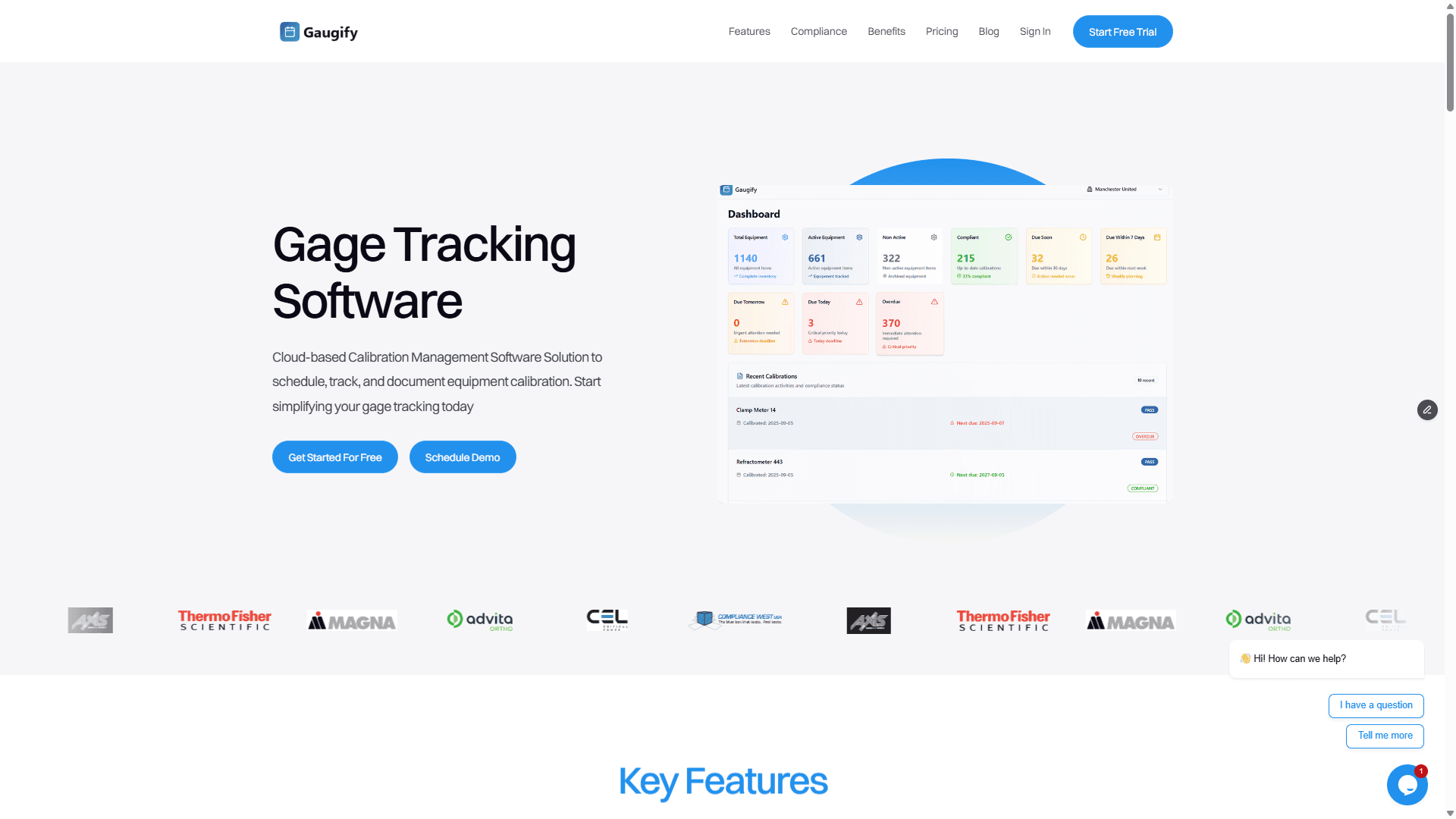
Get instant visibility into calibration status across your entire operation. The Gaugify dashboard shows instruments due within the next 30 days, overdue items requiring immediate attention, and calibration completion rates by department or location. Quality managers can spot potential bottlenecks before they impact production.
Mobile Access for Floor-Level Control
Shop floor supervisors and technicians can check calibration status instantly using any smartphone or tablet. Scan QR code labels to verify an instrument's calibration status before use, eliminating the risk of using expired equipment.
Compliance-Ready Documentation
Every calibration certificate is automatically stored and linked to instrument records, creating an audit-ready documentation system. Gaugify's compliance features ensure you're always prepared for ISO, FDA, or customer audits with complete traceability records.
Predictive Planning Tools
Gaugify's planning module helps you schedule calibrations efficiently, reducing costs and minimizing instrument downtime. View upcoming calibration needs by month, location, or service provider to optimize scheduling and negotiate better rates with calibration labs.
Integration with Existing Systems
Connect Gaugify with your existing quality management or ERP systems to ensure calibration data flows seamlessly throughout your organization. Advanced features include API access, data export capabilities, and integration with popular quality platforms.
Usage-Based Intelligence
Track instrument usage patterns and environmental conditions to optimize calibration intervals. Gaugify's analytics help you extend intervals for stable, lightly-used instruments while identifying equipment that may need more frequent attention.
ROI Analysis: The Cost of Gaugify vs. The Cost of Missed Calibrations
Consider the math: A typical Gaugify subscription costs less than $100 per month for most small to medium operations. Compare this to the cost scenarios we've outlined:
Failed audit response: $75,000+
Product recall: $180,000+
Lost customer contract: $2.3 million annually
Scrap and rework: $15,000-50,000 per incident
Even preventing a single missed calibration incident pays for years of Gaugify subscription costs. The peace of mind and operational efficiency gains are simply bonuses.
Real Customer Results
A precision machining shop reduced their overdue calibrations from 12% to zero within six months of implementing Gaugify. Their quality manager reports: "We've eliminated the panic of discovering expired instruments during customer audits. Our calibration completion rate is now 100%, and we're scheduling more efficiently by batching instruments for the same service provider."
A pharmaceutical testing lab managing 400+ instruments reduced calibration administrative time by 60% while improving compliance documentation. The lab supervisor noted: "Gaugify transformed our calibration management from a constant source of stress to a well-oiled machine."
Getting Started: Your Next Steps
Eliminating the hidden cost of missed calibrations starts with recognizing that manual tracking systems are a liability your operation can't afford. Every day you delay implementing a proper calibration management system is another day you're exposed to the risks we've outlined.
The good news? You can start protecting your operation immediately. Gaugify's cloud-based system requires no IT infrastructure, no lengthy implementation projects, and no disruption to your current operations.
Your instruments are the foundation of your quality system. Your customers depend on the accuracy of your measurements. Your regulatory compliance depends on maintaining proper calibration schedules. Don't let missed calibrations put everything at risk.
Start your free 14-day trial of Gaugify today and experience firsthand how automated calibration management eliminates the stress, cost, and risk of missed calibrations. No credit card required, no lengthy setup process—just immediate access to the tools you need to take control of your calibration program.
Still have questions about how Gaugify can protect your specific operation? Schedule a personalized demo to see exactly how our software addresses your calibration management challenges.
Don't wait for a missed calibration crisis to force action. Take control of your calibration program today.
The Hidden Cost of Missed Calibrations
A precision machining shop in Ohio discovered the true cost of missed calibrations when their CMM coordinate measuring machine went 18 months without calibration. The result? $47,000 in scrapped aerospace components, a failed AS9100 audit, and three months of delayed shipments while they rebuilt customer confidence. What started as a simple oversight—a missed calibration reminder—cascaded into a company-threatening crisis that could have been prevented with proper calibration management.
If you're a quality manager, shop floor supervisor, or lab technician, this scenario probably sounds familiar. Maybe not at this scale, but you've likely experienced the sinking feeling of discovering an uncalibrated instrument during an audit, or worse, after it's already compromised your measurements.
The cost of missed calibrations extends far beyond the price of getting your instruments back on schedule. It's a hidden drain on your operation that compounds over time, affecting everything from product quality to customer relationships and regulatory compliance.
Why Missed Calibrations Are More Common Than You Think
In most manufacturing and testing environments, calibration schedules are managed through a patchwork of spreadsheets, sticky notes, and calendar reminders. A recent industry survey found that 73% of quality departments still rely on manual tracking systems, making missed calibrations almost inevitable.
Consider the typical scenario: Your Mitutoyo digital calipers are due for calibration on March 15th. The reminder is buried in a spreadsheet that three people have access to. The designated person is out sick, the backup is handling a customer complaint, and the March 15th deadline passes unnoticed. By the time someone realizes the oversight, those calipers have been used to measure critical dimensions on 200 parts that now have questionable traceability.
The problem compounds when you're managing hundreds of instruments across multiple locations. A pharmaceutical lab might track 300+ pieces of equipment, from analytical balances with ±0.1mg tolerances to pH meters requiring monthly calibration. Miss just 5% of these calibrations, and you're looking at serious compliance issues.
Manual tracking systems fail because they rely on human memory and manual processes in environments where people are already stretched thin. When quality staff are putting out fires and managing production pressures, calibration schedules become an afterthought—until they become a crisis.
The Real-World Consequences: What the Cost of Missed Calibrations Actually Looks Like
Failed Audits and Regulatory Actions
ISO 9001, AS9100, and FDA inspectors don't accept excuses for expired calibrations. A medical device manufacturer in California faced a Warning Letter from the FDA specifically citing "failure to establish and maintain procedures to ensure that equipment used in the manufacturing process meets specified requirements for accuracy and precision." The root cause? Fifteen pieces of test equipment with expired calibrations, including their torque tester used for surgical instrument validation.
The immediate cost was $75,000 in consultant fees to address the Warning Letter response. The long-term cost included delayed product launches, increased inspection frequency, and damaged reputation with regulatory bodies.
Product Recalls and Liability Exposure
When calibration lapses go undetected, you're essentially flying blind on product quality. An automotive parts supplier discovered their coating thickness gage had been reading 15% low for three months due to a missed calibration. The result was 12,000 parts shipped with inadequate corrosion protection, requiring a costly field recall and warranty repairs.
The financial impact included:
$180,000 in recall logistics and replacement parts
$95,000 in customer charge-backs
$50,000 in legal fees for liability assessment
Immeasurable damage to customer relationships
Scrap and Rework Costs
Perhaps the most immediate impact of missed calibrations is the cost of questionable measurements. When an instrument's calibration expires, you face a difficult choice: scrap everything measured since the last known good calibration, or invest in extensive investigation and potentially costly rework.
A injection molding operation discovered their bore gage hadn't been calibrated in 14 months. The gage showed drift beyond acceptable limits during the overdue calibration, calling into question every cavity dimension measurement made during that period. With ±0.002" tolerances on critical features, they had no choice but to re-inspect 5,000 parts, scrapping 12% that fell outside specification.
Lost Customer Confidence
Customers increasingly audit their suppliers' calibration programs. A single missed calibration during a customer audit can result in supplier corrective action requests, increased oversight, and in severe cases, loss of approved supplier status.
One electronics manufacturer lost a $2.3 million annual contract when their customer discovered expired calibrations on RF test equipment during a routine audit. The customer's assessment was simple: "If they can't manage basic calibration schedules, how can we trust their quality system?"
Root Causes: Why Calibration Management Fails
Inadequate Tracking Systems
Most calibration failures stem from poor tracking systems. Spreadsheets don't send automatic reminders, can't flag overdue items prominently, and don't account for instrument usage patterns or environmental factors that might accelerate drift.
Lack of Visibility
Quality managers often lack real-time visibility into calibration status across their operation. When calibration due dates are scattered across multiple spreadsheets or filing systems, it's impossible to prioritize and plan effectively.
No Accountability
Without clear ownership and escalation procedures, overdue calibrations can slip through the cracks indefinitely. Who's responsible for ensuring that coordinate measuring machine gets calibrated? What happens if the primary contact is unavailable?
Poor Planning
Many operations handle calibrations reactively, scheduling them only when instruments come due. This creates bottlenecks with calibration services and increases the likelihood of using expired instruments while waiting for available calibration slots.
Step-by-Step Solution: Eliminating the Cost of Missed Calibrations
1. Centralize Your Calibration Database
Start by consolidating all instrument information into a single, searchable database. This includes:
Instrument identification and location
Calibration frequency and due dates
Service provider information
Calibration history and certificates
Usage patterns and criticality ratings
2. Implement Automated Reminder Systems
Set up multiple reminder touchpoints well before calibration due dates. Best practice includes:
90-day advance notification for planning
30-day reminder for scheduling
7-day urgent notification
Immediate alerts for overdue items
3. Establish Clear Ownership and Escalation
Assign specific individuals responsibility for instrument categories or locations. Create escalation procedures that automatically notify supervisors when items become overdue.
4. Plan Calibrations Proactively
Use historical data to predict calibration needs and schedule services in advance. Group instruments by location or service provider to optimize efficiency and reduce costs.
5. Implement Usage-Based Intervals
Consider adjusting calibration frequencies based on actual usage patterns and historical stability. Instruments used daily in harsh environments may need more frequent calibration than those used weekly in controlled conditions.
6. Create Calibration Status Visibility
Deploy visual management tools that make calibration status immediately apparent to operators and supervisors. Color-coded labels, dashboard displays, and mobile access ensure everyone knows which instruments are available for use.
Ready to eliminate the stress and cost of missed calibrations? Start your free trial of Gaugify and see how automated calibration management can protect your operation from costly oversights.
How Gaugify Prevents Missed Calibrations Before They Happen
Gaugify's cloud-based calibration management software addresses every root cause of missed calibrations through intelligent automation and real-time visibility.
Automated Reminder System
Gaugify's smart notification system ensures no instrument ever falls through the cracks. Set custom reminder intervals for different instrument types—30 days for your Fluke multimeters, 60 days for pressure gages, 90 days for coordinate measuring machines. Notifications are sent via email and SMS to primary contacts and backup personnel, with automatic escalation to supervisors for overdue items.
Real-Time Dashboard Visibility
Get instant visibility into calibration status across your entire operation. The Gaugify dashboard shows instruments due within the next 30 days, overdue items requiring immediate attention, and calibration completion rates by department or location. Quality managers can spot potential bottlenecks before they impact production.
Mobile Access for Floor-Level Control
Shop floor supervisors and technicians can check calibration status instantly using any smartphone or tablet. Scan QR code labels to verify an instrument's calibration status before use, eliminating the risk of using expired equipment.
Compliance-Ready Documentation
Every calibration certificate is automatically stored and linked to instrument records, creating an audit-ready documentation system. Gaugify's compliance features ensure you're always prepared for ISO, FDA, or customer audits with complete traceability records.
Predictive Planning Tools
Gaugify's planning module helps you schedule calibrations efficiently, reducing costs and minimizing instrument downtime. View upcoming calibration needs by month, location, or service provider to optimize scheduling and negotiate better rates with calibration labs.
Integration with Existing Systems
Connect Gaugify with your existing quality management or ERP systems to ensure calibration data flows seamlessly throughout your organization. Advanced features include API access, data export capabilities, and integration with popular quality platforms.
Usage-Based Intelligence
Track instrument usage patterns and environmental conditions to optimize calibration intervals. Gaugify's analytics help you extend intervals for stable, lightly-used instruments while identifying equipment that may need more frequent attention.
ROI Analysis: The Cost of Gaugify vs. The Cost of Missed Calibrations
Consider the math: A typical Gaugify subscription costs less than $100 per month for most small to medium operations. Compare this to the cost scenarios we've outlined:
Failed audit response: $75,000+
Product recall: $180,000+
Lost customer contract: $2.3 million annually
Scrap and rework: $15,000-50,000 per incident
Even preventing a single missed calibration incident pays for years of Gaugify subscription costs. The peace of mind and operational efficiency gains are simply bonuses.
Real Customer Results
A precision machining shop reduced their overdue calibrations from 12% to zero within six months of implementing Gaugify. Their quality manager reports: "We've eliminated the panic of discovering expired instruments during customer audits. Our calibration completion rate is now 100%, and we're scheduling more efficiently by batching instruments for the same service provider."
A pharmaceutical testing lab managing 400+ instruments reduced calibration administrative time by 60% while improving compliance documentation. The lab supervisor noted: "Gaugify transformed our calibration management from a constant source of stress to a well-oiled machine."
Getting Started: Your Next Steps
Eliminating the hidden cost of missed calibrations starts with recognizing that manual tracking systems are a liability your operation can't afford. Every day you delay implementing a proper calibration management system is another day you're exposed to the risks we've outlined.
The good news? You can start protecting your operation immediately. Gaugify's cloud-based system requires no IT infrastructure, no lengthy implementation projects, and no disruption to your current operations.
Your instruments are the foundation of your quality system. Your customers depend on the accuracy of your measurements. Your regulatory compliance depends on maintaining proper calibration schedules. Don't let missed calibrations put everything at risk.
Start your free 14-day trial of Gaugify today and experience firsthand how automated calibration management eliminates the stress, cost, and risk of missed calibrations. No credit card required, no lengthy setup process—just immediate access to the tools you need to take control of your calibration program.
Still have questions about how Gaugify can protect your specific operation? Schedule a personalized demo to see exactly how our software addresses your calibration management challenges.
Don't wait for a missed calibration crisis to force action. Take control of your calibration program today.