
The Role of Calibration in Quality 4.0
The Role of Calibration in Quality 4.0
David Bentley
Quality Assurance Engineer
8 min read
The Role of Calibration in Quality 4.0
Your production line is humming along perfectly. Torque wrenches are tightening bolts to specification, coordinate measuring machines (CMMs) are verifying part dimensions within ±0.001", and your pressure gauges are maintaining critical system pressures. Then an ISO 9001 auditor walks in and asks a simple question: "How do you know your calibration data is driving real-time quality decisions?" The silence that follows reveals a harsh truth—despite investing millions in smart manufacturing technology, most companies are still managing calibration Quality 4.0 initiatives with spreadsheets and paper records that can't integrate with their digital quality systems.
This disconnect between advanced manufacturing technology and outdated calibration management isn't just an administrative inconvenience. It's a fundamental barrier preventing manufacturers from achieving true Quality 4.0 transformation, where calibration data becomes a strategic asset that predicts failures, optimizes processes, and ensures regulatory compliance in real-time.
The Hidden Crisis in Smart Manufacturing
Quality 4.0 promises unprecedented visibility into manufacturing processes through connected devices, predictive analytics, and automated quality control. Yet most companies implementing these initiatives discover a frustrating reality: their calibration management systems can't keep pace with their digital transformation goals.
Consider this scenario: A medical device manufacturer implements IoT sensors throughout their production line to monitor critical parameters like temperature (±2°C), pressure (±5 PSI), and dimensional accuracy (±0.0005"). Their MES system collects thousands of data points hourly, but when an FDA inspector asks about the calibration status of the pressure transducers feeding that data, the quality manager has to manually cross-reference Excel spreadsheets to determine if the measurements were valid during specific production runs.
This problem is more widespread than most executives realize. According to recent industry surveys, 73% of manufacturers report that calibration data silos are hampering their Quality 4.0 initiatives. The issue isn't just about having calibration records—it's about having calibration intelligence that can integrate with smart manufacturing systems.
At a automotive Tier 1 supplier, quality engineers discovered that 23% of their torque tools were operating outside calibration windows during critical assembly operations. The tools were physically functional and producing parts within specification, but the lack of real-time calibration visibility meant they couldn't demonstrate measurement traceability during customer audits. This revelation forced them to quarantine $340,000 worth of finished goods while they manually verified each tool's calibration history.
The Real-World Consequences of Calibration Quality 4.0 Gaps
When calibration management can't integrate with Quality 4.0 systems, the consequences extend far beyond administrative inconvenience. These gaps create measurable business risks that directly impact profitability and compliance.
Failed Audits and Regulatory Actions: FDA, ISO 17025, and AS9100 auditors increasingly expect calibration data to be integrated with quality systems. A pharmaceutical manufacturer recently received a Form 483 observation specifically citing their inability to demonstrate real-time calibration status of analytical balances (readable to 0.1mg) used in batch release testing. The resulting CAPA investigation cost $180,000 and delayed three product launches.
Customer Rejections and Lost Contracts: Aerospace customers now require suppliers to demonstrate that all measurement equipment was in calibration during specific manufacturing operations. One precision machining shop lost a $2.3 million contract when they couldn't provide automated calibration verification for the CMMs used to inspect titanium engine components with tolerances of ±0.0002".
Increased Scrap and Rework Costs: Without real-time calibration monitoring, out-of-tolerance instruments can produce defective parts for extended periods. A electronics manufacturer discovered that a drift in their reflow oven temperature sensors (calibrated for ±1°C accuracy) had caused $85,000 in circuit board scrap over six weeks before the calibration due date triggered manual verification.
Liability and Product Recalls: In regulated industries, calibration records become legal documents. A medical device company faced potential product liability when they couldn't demonstrate calibration traceability for pressure sensors used in life-support equipment. The inability to quickly access calibration data for devices with ±2 mmHg accuracy requirements nearly triggered a voluntary recall of 12,000 units.
Root Causes: Why Traditional Calibration Management Fails Quality 4.0
The fundamental problem isn't that companies lack calibration procedures—most have robust programs that satisfy basic regulatory requirements. The issue is that these programs were designed for pre-digital manufacturing environments and can't support the real-time, data-driven decision making that defines Quality 4.0.
Data Silos and Manual Processes: Traditional calibration management relies on standalone databases or spreadsheets that can't communicate with MES, ERP, or quality management systems. When a torque wrench goes out of calibration, there's no automated way to identify which products were affected or trigger immediate corrective action.
Lack of Real-Time Visibility: Most calibration systems operate on scheduled intervals rather than condition-based monitoring. A coordinate measuring machine might be scheduled for annual calibration, but if it experiences thermal shock or mechanical impact that affects its accuracy (±0.0001" repeatability), there's no immediate alert to quality engineers.
Insufficient Analytics and Trending: Quality 4.0 depends on predictive analytics to prevent defects before they occur. However, traditional calibration systems don't capture trending data that could predict instrument drift. For example, if a pressure gauge consistently drifts +0.5 PSI over its calibration interval, this pattern could predict future failures, but most systems only record pass/fail results.
Limited Traceability Integration: Modern quality systems require complete measurement traceability from raw materials to finished products. When calibration data exists in isolation, it's impossible to automatically validate that all measurements used in product acceptance were performed with calibrated equipment.
The Solution: Integrated Calibration Quality 4.0 Management
Achieving true calibration Quality 4.0 integration requires a systematic approach that transforms calibration from a compliance activity into a strategic quality enabler. Here's the step-by-step solution that leading manufacturers are implementing:
Step 1: Establish Real-Time Calibration Visibility
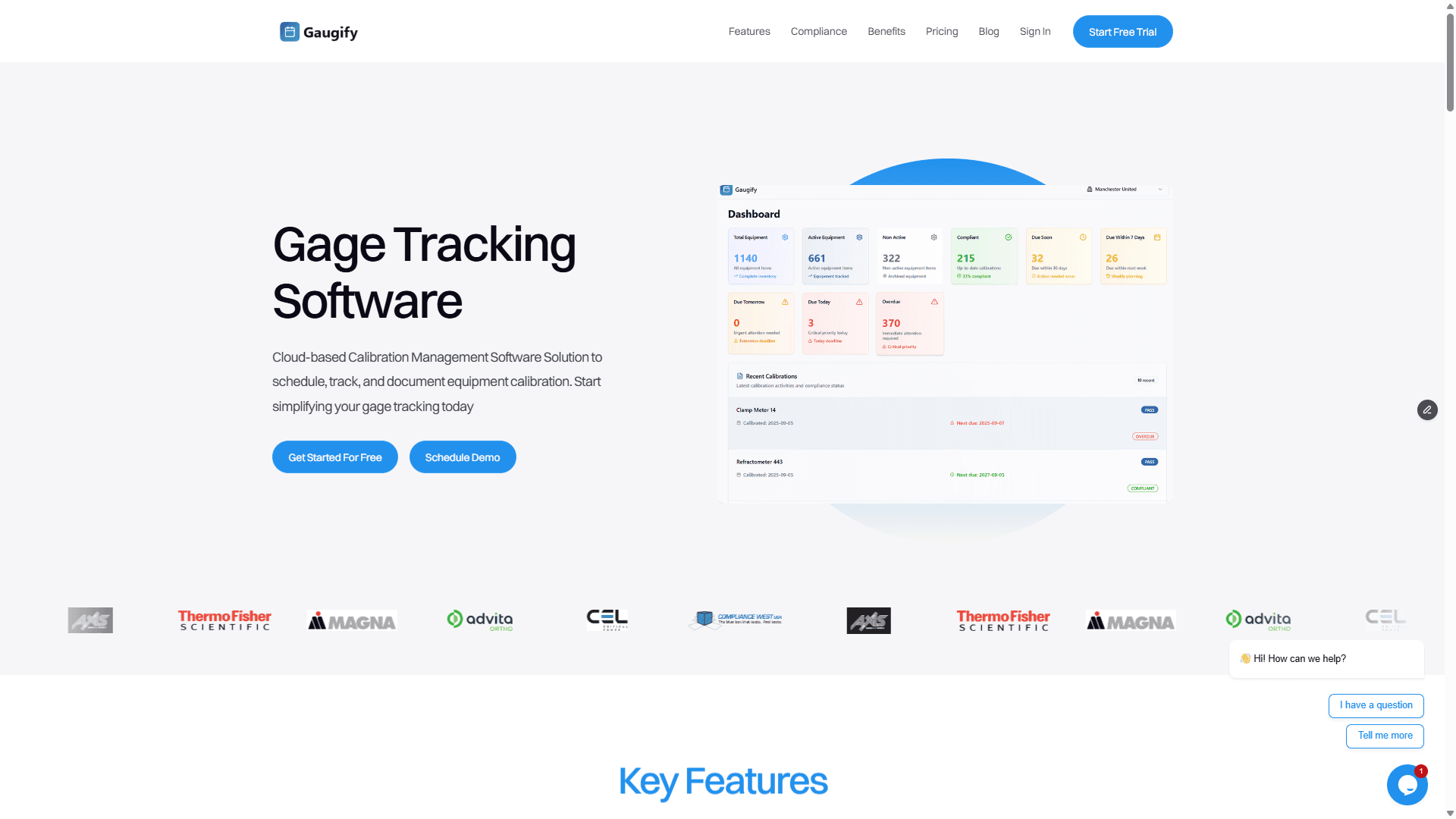
Replace static calibration schedules with dynamic monitoring systems that provide instant status updates. Modern calibration management platforms should display real-time dashboards showing which instruments are in calibration, approaching due dates, or experiencing performance issues.
For example, implement alerts when critical measurement equipment approaches calibration due dates. If a CMM used for measuring aerospace components with ±0.0005" tolerances is due for calibration in 30 days, the system should automatically notify quality engineers and suggest scheduling options that minimize production impact.
Step 2: Integrate Calibration Data with Manufacturing Systems
Establish API connections between calibration management and core manufacturing systems. This integration ensures that production systems automatically verify instrument calibration status before accepting measurement data.
A practical example: When an operator scans a torque wrench before tightening critical fasteners to 85 ±3 ft-lbs, the system should instantly verify the tool's calibration status and either approve the operation or prevent its use if calibration has expired.
Step 3: Implement Predictive Calibration Analytics
Deploy analytics that identify calibration trends and predict instrument failures before they impact product quality. Track calibration drift patterns, failure modes, and performance degradation to optimize calibration intervals and prevent unexpected failures.
For instance, if historical data shows that a specific model of pressure transducer typically drifts +2% over 12 months, the system can recommend more frequent calibrations or proactive replacement before accuracy degrades beyond acceptable limits.
Ready to transform your calibration management for Quality 4.0? Start your free trial and see how automated calibration workflows can integrate with your smart manufacturing systems in just 15 minutes.
Step 4: Automate Compliance Documentation
Generate automated compliance reports that satisfy regulatory requirements while providing the detailed traceability needed for Quality 4.0 applications. These reports should automatically link calibration records to specific production runs, batch records, or individual products.
When an FDA auditor requests calibration documentation for analytical balances used in batch testing, the system should instantly generate reports showing calibration status, measurement uncertainty calculations, and traceability to NIST standards for every affected batch.
Step 5: Enable Mobile Calibration Management
Equip technicians with mobile applications that provide real-time access to calibration procedures, capture results digitally, and immediately update centralized databases. This eliminates transcription errors and provides instant visibility into calibration activities.
Field technicians can scan instrument barcodes, access calibration procedures, record results with automatic timestamp and location data, and immediately upload certificates and photos to the central system.
How Gaugify Enables True Calibration Quality 4.0
Modern calibration Quality 4.0 management requires purpose-built software that understands both calibration requirements and smart manufacturing integration needs. Gaugify was designed specifically to bridge this gap, providing the calibration intelligence that Quality 4.0 initiatives demand.
Real-Time Integration Capabilities: Gaugify's advanced features include API connectivity that allows seamless integration with MES, ERP, and quality management systems. When a torque wrench approaches its calibration due date, connected production systems receive automatic notifications and can prevent the tool's use if calibration expires.
Predictive Analytics and Trending: The platform automatically analyzes calibration history to identify drift patterns and predict failures. If pressure sensors consistently drift +1.5% over their calibration interval, Gaugify recommends adjusted calibration frequencies before accuracy degradation affects product quality.
Automated Compliance Documentation: Gaugify's compliance capabilities generate automated reports that satisfy ISO 9001, AS9100, ISO 17025, and FDA requirements. When auditors request calibration documentation for specific production runs, the system instantly provides complete traceability records linking calibration certificates to affected products.
Mobile-First Design: Technicians access calibration procedures, record results, and upload certificates directly from mobile devices. This eliminates paper-based processes and provides immediate visibility into calibration activities across multiple facilities.
Advanced Analytics Dashboard: Quality managers gain real-time visibility into calibration performance metrics, including on-time completion rates, instrument reliability trends, and compliance status across all locations. The dashboard identifies which instruments contribute most to measurement uncertainty and recommends optimization strategies.
For organizations requiring ISO 17025 compliance, Gaugify provides specialized workflows that ensure measurement traceability and uncertainty calculations meet accreditation requirements while integrating seamlessly with Quality 4.0 systems.
Preventing Calibration Quality 4.0 Problems Before They Start
The most effective approach to calibration Quality 4.0 management is preventing problems before they impact operations. Gaugify's proactive capabilities ensure that calibration issues never surprise your team or compromise your quality systems.
Automated Scheduling and Notifications: The system continuously monitors calibration due dates and automatically schedules appointments with preferred service providers. Quality managers receive advance notifications with enough time to plan around production schedules, ensuring critical equipment never operates beyond calibration intervals.
Condition-Based Calibration Recommendations: Rather than relying solely on fixed intervals, Gaugify analyzes instrument usage patterns, environmental conditions, and historical performance to recommend optimal calibration frequencies. High-precision CMMs operating in temperature-controlled environments might safely extend calibration intervals, while torque tools in harsh manufacturing environments might require more frequent verification.
Integrated Risk Assessment: The platform automatically assesses measurement risk by considering instrument accuracy, measurement uncertainty, and product tolerance requirements. When a pressure gauge with ±1% accuracy is used to verify systems with ±5% tolerance requirements, the risk is minimal. However, using the same gauge for ±2% applications triggers automatic alerts and recommendations for higher-accuracy instruments.
Continuous Improvement Analytics: Gaugify identifies opportunities to optimize calibration programs for both cost and risk reduction. The system might recommend consolidating calibration service providers, adjusting intervals based on historical performance, or upgrading instruments that consistently require frequent recalibration.
Companies implementing Gaugify typically see 40% reduction in calibration-related compliance findings, 25% decrease in measurement equipment downtime, and 60% improvement in audit preparation time. More importantly, they achieve the real-time calibration visibility that enables true Quality 4.0 transformation.
To see how Gaugify can integrate your calibration management with Quality 4.0 systems, schedule a personalized demo with our calibration management experts. We'll show you exactly how automated calibration workflows can support your smart manufacturing initiatives.
Transform Your Quality 4.0 Initiative Today
The gap between advanced manufacturing technology and outdated calibration management is costing manufacturers millions in compliance failures, customer rejections, and missed optimization opportunities. Quality 4.0 promises real-time visibility, predictive analytics, and automated decision-making—but these benefits are impossible without calibration systems that can integrate with smart manufacturing platforms.
Leading manufacturers are already transforming their calibration Quality 4.0 capabilities with modern, cloud-based solutions that provide the real-time intelligence their digital quality systems demand. The question isn't whether to modernize your calibration management—it's whether you'll lead or follow in your industry's Quality 4.0 transformation.
Ready to integrate your calibration management with Quality 4.0 systems? Start your free 30-day trial of Gaugify and discover how automated calibration workflows can transform your smart manufacturing initiatives. Setup takes less than 15 minutes, and you'll see immediate improvements in calibration visibility and compliance documentation. Don't let outdated calibration management hold back your Quality 4.0 success—transform your approach today.
The Role of Calibration in Quality 4.0
Your production line is humming along perfectly. Torque wrenches are tightening bolts to specification, coordinate measuring machines (CMMs) are verifying part dimensions within ±0.001", and your pressure gauges are maintaining critical system pressures. Then an ISO 9001 auditor walks in and asks a simple question: "How do you know your calibration data is driving real-time quality decisions?" The silence that follows reveals a harsh truth—despite investing millions in smart manufacturing technology, most companies are still managing calibration Quality 4.0 initiatives with spreadsheets and paper records that can't integrate with their digital quality systems.
This disconnect between advanced manufacturing technology and outdated calibration management isn't just an administrative inconvenience. It's a fundamental barrier preventing manufacturers from achieving true Quality 4.0 transformation, where calibration data becomes a strategic asset that predicts failures, optimizes processes, and ensures regulatory compliance in real-time.
The Hidden Crisis in Smart Manufacturing
Quality 4.0 promises unprecedented visibility into manufacturing processes through connected devices, predictive analytics, and automated quality control. Yet most companies implementing these initiatives discover a frustrating reality: their calibration management systems can't keep pace with their digital transformation goals.
Consider this scenario: A medical device manufacturer implements IoT sensors throughout their production line to monitor critical parameters like temperature (±2°C), pressure (±5 PSI), and dimensional accuracy (±0.0005"). Their MES system collects thousands of data points hourly, but when an FDA inspector asks about the calibration status of the pressure transducers feeding that data, the quality manager has to manually cross-reference Excel spreadsheets to determine if the measurements were valid during specific production runs.
This problem is more widespread than most executives realize. According to recent industry surveys, 73% of manufacturers report that calibration data silos are hampering their Quality 4.0 initiatives. The issue isn't just about having calibration records—it's about having calibration intelligence that can integrate with smart manufacturing systems.
At a automotive Tier 1 supplier, quality engineers discovered that 23% of their torque tools were operating outside calibration windows during critical assembly operations. The tools were physically functional and producing parts within specification, but the lack of real-time calibration visibility meant they couldn't demonstrate measurement traceability during customer audits. This revelation forced them to quarantine $340,000 worth of finished goods while they manually verified each tool's calibration history.
The Real-World Consequences of Calibration Quality 4.0 Gaps
When calibration management can't integrate with Quality 4.0 systems, the consequences extend far beyond administrative inconvenience. These gaps create measurable business risks that directly impact profitability and compliance.
Failed Audits and Regulatory Actions: FDA, ISO 17025, and AS9100 auditors increasingly expect calibration data to be integrated with quality systems. A pharmaceutical manufacturer recently received a Form 483 observation specifically citing their inability to demonstrate real-time calibration status of analytical balances (readable to 0.1mg) used in batch release testing. The resulting CAPA investigation cost $180,000 and delayed three product launches.
Customer Rejections and Lost Contracts: Aerospace customers now require suppliers to demonstrate that all measurement equipment was in calibration during specific manufacturing operations. One precision machining shop lost a $2.3 million contract when they couldn't provide automated calibration verification for the CMMs used to inspect titanium engine components with tolerances of ±0.0002".
Increased Scrap and Rework Costs: Without real-time calibration monitoring, out-of-tolerance instruments can produce defective parts for extended periods. A electronics manufacturer discovered that a drift in their reflow oven temperature sensors (calibrated for ±1°C accuracy) had caused $85,000 in circuit board scrap over six weeks before the calibration due date triggered manual verification.
Liability and Product Recalls: In regulated industries, calibration records become legal documents. A medical device company faced potential product liability when they couldn't demonstrate calibration traceability for pressure sensors used in life-support equipment. The inability to quickly access calibration data for devices with ±2 mmHg accuracy requirements nearly triggered a voluntary recall of 12,000 units.
Root Causes: Why Traditional Calibration Management Fails Quality 4.0
The fundamental problem isn't that companies lack calibration procedures—most have robust programs that satisfy basic regulatory requirements. The issue is that these programs were designed for pre-digital manufacturing environments and can't support the real-time, data-driven decision making that defines Quality 4.0.
Data Silos and Manual Processes: Traditional calibration management relies on standalone databases or spreadsheets that can't communicate with MES, ERP, or quality management systems. When a torque wrench goes out of calibration, there's no automated way to identify which products were affected or trigger immediate corrective action.
Lack of Real-Time Visibility: Most calibration systems operate on scheduled intervals rather than condition-based monitoring. A coordinate measuring machine might be scheduled for annual calibration, but if it experiences thermal shock or mechanical impact that affects its accuracy (±0.0001" repeatability), there's no immediate alert to quality engineers.
Insufficient Analytics and Trending: Quality 4.0 depends on predictive analytics to prevent defects before they occur. However, traditional calibration systems don't capture trending data that could predict instrument drift. For example, if a pressure gauge consistently drifts +0.5 PSI over its calibration interval, this pattern could predict future failures, but most systems only record pass/fail results.
Limited Traceability Integration: Modern quality systems require complete measurement traceability from raw materials to finished products. When calibration data exists in isolation, it's impossible to automatically validate that all measurements used in product acceptance were performed with calibrated equipment.
The Solution: Integrated Calibration Quality 4.0 Management
Achieving true calibration Quality 4.0 integration requires a systematic approach that transforms calibration from a compliance activity into a strategic quality enabler. Here's the step-by-step solution that leading manufacturers are implementing:
Step 1: Establish Real-Time Calibration Visibility
Replace static calibration schedules with dynamic monitoring systems that provide instant status updates. Modern calibration management platforms should display real-time dashboards showing which instruments are in calibration, approaching due dates, or experiencing performance issues.
For example, implement alerts when critical measurement equipment approaches calibration due dates. If a CMM used for measuring aerospace components with ±0.0005" tolerances is due for calibration in 30 days, the system should automatically notify quality engineers and suggest scheduling options that minimize production impact.
Step 2: Integrate Calibration Data with Manufacturing Systems
Establish API connections between calibration management and core manufacturing systems. This integration ensures that production systems automatically verify instrument calibration status before accepting measurement data.
A practical example: When an operator scans a torque wrench before tightening critical fasteners to 85 ±3 ft-lbs, the system should instantly verify the tool's calibration status and either approve the operation or prevent its use if calibration has expired.
Step 3: Implement Predictive Calibration Analytics
Deploy analytics that identify calibration trends and predict instrument failures before they impact product quality. Track calibration drift patterns, failure modes, and performance degradation to optimize calibration intervals and prevent unexpected failures.
For instance, if historical data shows that a specific model of pressure transducer typically drifts +2% over 12 months, the system can recommend more frequent calibrations or proactive replacement before accuracy degrades beyond acceptable limits.
Ready to transform your calibration management for Quality 4.0? Start your free trial and see how automated calibration workflows can integrate with your smart manufacturing systems in just 15 minutes.
Step 4: Automate Compliance Documentation
Generate automated compliance reports that satisfy regulatory requirements while providing the detailed traceability needed for Quality 4.0 applications. These reports should automatically link calibration records to specific production runs, batch records, or individual products.
When an FDA auditor requests calibration documentation for analytical balances used in batch testing, the system should instantly generate reports showing calibration status, measurement uncertainty calculations, and traceability to NIST standards for every affected batch.
Step 5: Enable Mobile Calibration Management
Equip technicians with mobile applications that provide real-time access to calibration procedures, capture results digitally, and immediately update centralized databases. This eliminates transcription errors and provides instant visibility into calibration activities.
Field technicians can scan instrument barcodes, access calibration procedures, record results with automatic timestamp and location data, and immediately upload certificates and photos to the central system.
How Gaugify Enables True Calibration Quality 4.0
Modern calibration Quality 4.0 management requires purpose-built software that understands both calibration requirements and smart manufacturing integration needs. Gaugify was designed specifically to bridge this gap, providing the calibration intelligence that Quality 4.0 initiatives demand.
Real-Time Integration Capabilities: Gaugify's advanced features include API connectivity that allows seamless integration with MES, ERP, and quality management systems. When a torque wrench approaches its calibration due date, connected production systems receive automatic notifications and can prevent the tool's use if calibration expires.
Predictive Analytics and Trending: The platform automatically analyzes calibration history to identify drift patterns and predict failures. If pressure sensors consistently drift +1.5% over their calibration interval, Gaugify recommends adjusted calibration frequencies before accuracy degradation affects product quality.
Automated Compliance Documentation: Gaugify's compliance capabilities generate automated reports that satisfy ISO 9001, AS9100, ISO 17025, and FDA requirements. When auditors request calibration documentation for specific production runs, the system instantly provides complete traceability records linking calibration certificates to affected products.
Mobile-First Design: Technicians access calibration procedures, record results, and upload certificates directly from mobile devices. This eliminates paper-based processes and provides immediate visibility into calibration activities across multiple facilities.
Advanced Analytics Dashboard: Quality managers gain real-time visibility into calibration performance metrics, including on-time completion rates, instrument reliability trends, and compliance status across all locations. The dashboard identifies which instruments contribute most to measurement uncertainty and recommends optimization strategies.
For organizations requiring ISO 17025 compliance, Gaugify provides specialized workflows that ensure measurement traceability and uncertainty calculations meet accreditation requirements while integrating seamlessly with Quality 4.0 systems.
Preventing Calibration Quality 4.0 Problems Before They Start
The most effective approach to calibration Quality 4.0 management is preventing problems before they impact operations. Gaugify's proactive capabilities ensure that calibration issues never surprise your team or compromise your quality systems.
Automated Scheduling and Notifications: The system continuously monitors calibration due dates and automatically schedules appointments with preferred service providers. Quality managers receive advance notifications with enough time to plan around production schedules, ensuring critical equipment never operates beyond calibration intervals.
Condition-Based Calibration Recommendations: Rather than relying solely on fixed intervals, Gaugify analyzes instrument usage patterns, environmental conditions, and historical performance to recommend optimal calibration frequencies. High-precision CMMs operating in temperature-controlled environments might safely extend calibration intervals, while torque tools in harsh manufacturing environments might require more frequent verification.
Integrated Risk Assessment: The platform automatically assesses measurement risk by considering instrument accuracy, measurement uncertainty, and product tolerance requirements. When a pressure gauge with ±1% accuracy is used to verify systems with ±5% tolerance requirements, the risk is minimal. However, using the same gauge for ±2% applications triggers automatic alerts and recommendations for higher-accuracy instruments.
Continuous Improvement Analytics: Gaugify identifies opportunities to optimize calibration programs for both cost and risk reduction. The system might recommend consolidating calibration service providers, adjusting intervals based on historical performance, or upgrading instruments that consistently require frequent recalibration.
Companies implementing Gaugify typically see 40% reduction in calibration-related compliance findings, 25% decrease in measurement equipment downtime, and 60% improvement in audit preparation time. More importantly, they achieve the real-time calibration visibility that enables true Quality 4.0 transformation.
To see how Gaugify can integrate your calibration management with Quality 4.0 systems, schedule a personalized demo with our calibration management experts. We'll show you exactly how automated calibration workflows can support your smart manufacturing initiatives.
Transform Your Quality 4.0 Initiative Today
The gap between advanced manufacturing technology and outdated calibration management is costing manufacturers millions in compliance failures, customer rejections, and missed optimization opportunities. Quality 4.0 promises real-time visibility, predictive analytics, and automated decision-making—but these benefits are impossible without calibration systems that can integrate with smart manufacturing platforms.
Leading manufacturers are already transforming their calibration Quality 4.0 capabilities with modern, cloud-based solutions that provide the real-time intelligence their digital quality systems demand. The question isn't whether to modernize your calibration management—it's whether you'll lead or follow in your industry's Quality 4.0 transformation.
Ready to integrate your calibration management with Quality 4.0 systems? Start your free 30-day trial of Gaugify and discover how automated calibration workflows can transform your smart manufacturing initiatives. Setup takes less than 15 minutes, and you'll see immediate improvements in calibration visibility and compliance documentation. Don't let outdated calibration management hold back your Quality 4.0 success—transform your approach today.