
Digital Calibration Records vs Paper: Why Digital Wins
Digital Calibration Records vs Paper: Why Digital Wins
David Bentley
Quality Assurance Engineer
8 min read
Digital Calibration Records vs Paper: Why Digital Wins
The debate between digital vs paper calibration records isn't really a debate anymore—it's a question of when, not if, your quality department will make the switch. Quality managers across industries are discovering that digital calibration records don't just replace paper filing systems; they transform how organizations track instrument performance, maintain compliance, and make data-driven decisions about their measurement equipment.
While paper-based calibration systems might seem familiar and straightforward, they create hidden inefficiencies that compound over time. A single misplaced calibration certificate for a critical micrometer can trigger audit findings, production delays, and customer complaints. Meanwhile, organizations using digital calibration management systems report 75% faster record retrieval, 90% fewer compliance issues, and significantly improved audit performance.
The Hidden Costs of Paper Calibration Records
Paper-based calibration systems create problems that extend far beyond cluttered filing cabinets. Consider what happens when your ISO 9001 auditor requests calibration records for all dimensional measurement tools used in your aerospace parts production over the past two years. With paper records, this seemingly simple request triggers a scrambling search through multiple file cabinets, hoping that nothing was misfiled or damaged.
Lost Records Equal Lost Production Time
Manufacturing facilities using paper records report spending an average of 2-3 hours per week searching for calibration certificates. For a quality manager overseeing 200+ instruments, that translates to 150+ hours annually—nearly a month of productive time lost to record hunting. When a critical gage block set's calibration certificate goes missing during a customer audit, the entire production line may need to halt until the instrument can be recalibrated or the record located.
The ripple effects compound quickly. A missing calibration record for a coordinate measuring machine (CMM) used to verify ±0.001" tolerances on medical device components can trigger a full investigation, product quarantine, and potential customer notifications. The cost of a single missing paper record can easily exceed thousands of dollars in labor, delays, and quality investigations.
Compliance Nightmares with Paper Systems
Regulatory compliance becomes exponentially more difficult with paper-based systems. FDA-regulated facilities must demonstrate complete traceability for all measurement equipment used in production. When calibration records exist only on paper, creating the comprehensive instrument histories required by regulators becomes a manual, error-prone process.
ISO 17025 laboratories face even stricter requirements for record integrity and traceability. Paper records provide no automatic backup, no audit trail of changes, and no way to prevent unauthorized modifications. A single coffee spill on a critical calibration certificate can create compliance gaps that take weeks to resolve through emergency recalibration.
How Digital vs Paper Calibration Records Transform Operations in Gaugify
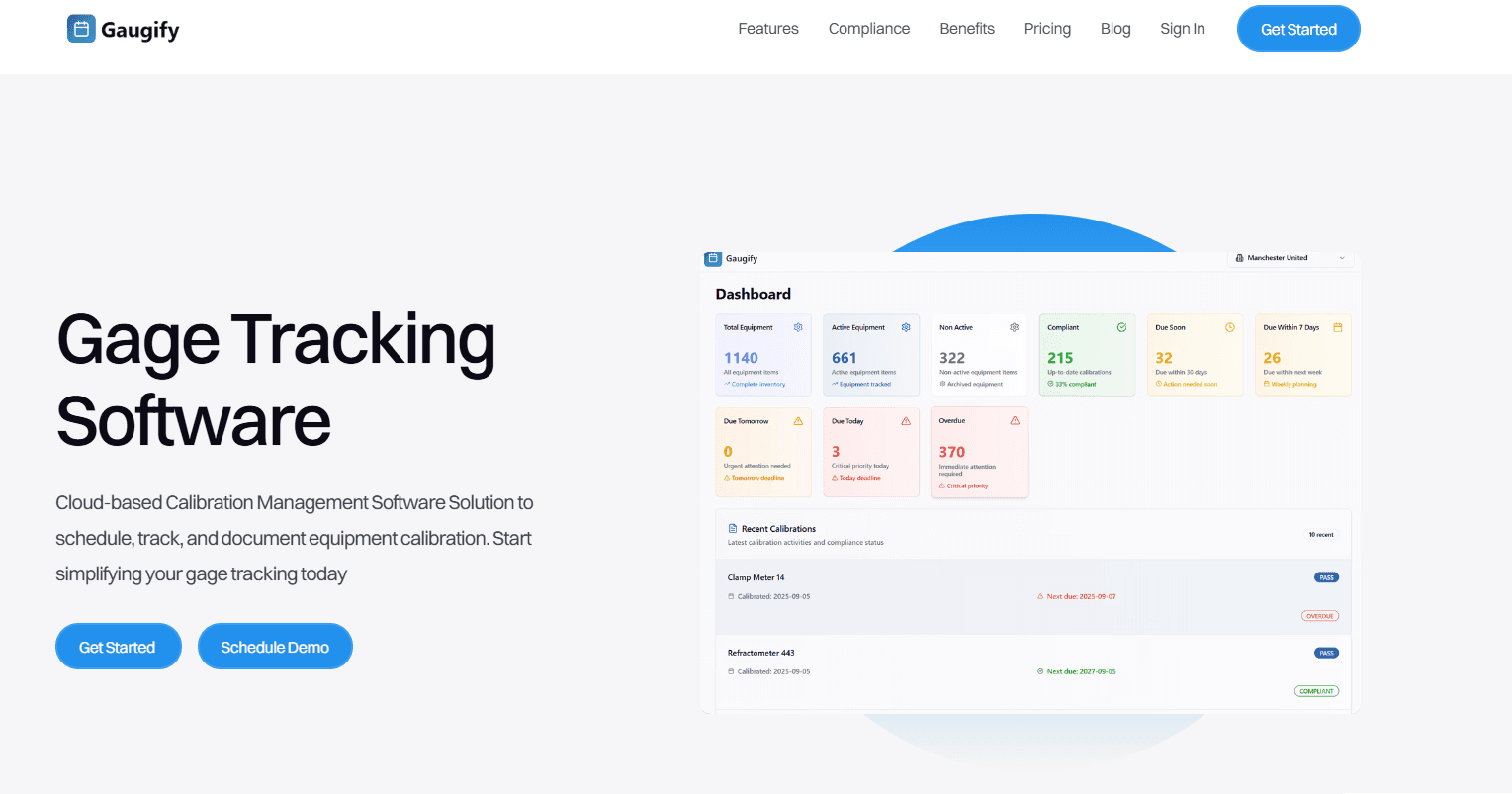
Digital calibration management transforms these pain points into competitive advantages through intelligent automation and centralized data management. Gaugify's digital calibration system demonstrates how modern cloud-based platforms eliminate the inefficiencies of paper while adding powerful capabilities that paper systems simply cannot provide.
Instant Record Access and Search
When an auditor requests calibration records for all torque wrenches used in critical assembly operations, Gaugify users can generate a comprehensive report in under 30 seconds. The system automatically compiles calibration certificates, due dates, usage history, and compliance status across all specified instruments. This same task would require hours of manual searching in a paper-based system.
The search capabilities extend beyond basic instrument identification. Quality managers can instantly filter records by calibration status, due dates, technician, calibration laboratory, or even specific measurement uncertainties. For example, finding all pressure gages calibrated within the past six months with uncertainties better than ±0.1% becomes a simple database query rather than a manual file review.
Automated Compliance Tracking
Digital systems transform compliance from a reactive scramble into proactive management. Gaugify automatically tracks calibration due dates for every instrument, sending automated notifications to responsible technicians weeks before calibrations expire. This prevents the common scenario where critical production equipment goes out of calibration during peak manufacturing periods.
The system maintains complete audit trails for every calibration record, documenting who accessed files, when changes were made, and what modifications occurred. This level of transparency is impossible with paper systems and provides auditors with the detailed documentation they require for regulatory compliance.
Ready to experience the efficiency gains of digital calibration management? Start your free Gaugify trial and see how quickly you can eliminate paper-based inefficiencies in your quality operations.
Quantifiable Benefits and ROI of Digital Calibration Records
The return on investment for digital calibration systems becomes apparent within the first month of implementation. Organizations typically see immediate improvements in operational efficiency, compliance performance, and data accessibility that translate directly to cost savings and reduced risk.
Time Savings That Add Up
Quality departments report 75-80% reduction in time spent managing calibration records after switching from paper to digital systems. A facility managing 300 instruments that previously spent 3 hours weekly on record management now completes the same tasks in 30-45 minutes. Over a year, this represents 130+ hours of recovered productive time—equivalent to adding nearly a month of quality management capacity without additional headcount.
These time savings compound during audit periods. While paper-based facilities may spend days preparing calibration documentation for auditors, digital system users generate comprehensive compliance reports in minutes. The reduced stress and improved audit performance create additional value beyond the measurable time savings.
Improved Equipment Utilization
Digital calibration systems improve equipment utilization through better visibility into calibration schedules and instrument status. Organizations using Gaugify report 15-20% better equipment uptime because automated scheduling prevents instruments from sitting idle due to forgotten or delayed calibrations.
The ability to track calibration intervals and adjust them based on actual instrument performance data further improves ROI. A digital torque wrench that consistently passes calibration with minimal drift might safely extend its calibration interval from 6 to 9 months, reducing calibration costs by 33% while maintaining measurement accuracy.
Supporting Compliance Through Digital Calibration Records
Regulatory compliance requirements increasingly favor digital record-keeping systems that provide enhanced traceability, security, and accessibility. Gaugify's compliance features demonstrate how digital calibration management aligns with the most stringent industry standards.
ISO 9001 and ISO 17025 Compliance
ISO 9001's measurement traceability requirements become significantly easier to maintain with digital calibration systems. The standard requires organizations to determine when measurement traceability is necessary and ensure measuring equipment is verified at specified intervals. Digital systems automate both requirements through intelligent scheduling and comprehensive documentation.
ISO 17025 laboratories benefit from enhanced record integrity and security features that paper systems cannot provide. Digital calibration records include automatic timestamps, user authentication, and change documentation that satisfy the standard's requirements for record control and data integrity.
FDA and Medical Device Compliance
FDA-regulated facilities must maintain complete calibration records for all measurement equipment used in medical device production. Digital systems provide the comprehensive traceability and rapid record access that FDA inspectors expect during facility audits. The ability to instantly demonstrate calibration status and measurement uncertainty for critical instruments significantly improves audit outcomes.
The FDA's emphasis on data integrity and electronic record security aligns perfectly with modern digital calibration platforms. Features like user access controls, audit trails, and automated backups provide the robust record management that regulators require for critical medical device applications.
Digital vs Paper Calibration Records: Competitive Comparison
Many organizations attempt to bridge the gap between paper and digital through hybrid approaches or basic spreadsheet tracking. However, these intermediate solutions often create more problems than they solve while failing to deliver the full benefits of comprehensive digital calibration management.
Spreadsheet-Based Systems Fall Short
Excel spreadsheets represent a common transitional approach that appears to offer digital convenience while maintaining familiar data management practices. However, spreadsheet-based calibration tracking creates new vulnerabilities without addressing the fundamental limitations of manual record keeping.
Spreadsheets lack the automated scheduling, notification, and backup features that make digital calibration systems valuable. A quality manager using Excel to track 200+ instruments must still manually update due dates, send reminder emails, and maintain separate files for calibration certificates. The system provides digital storage without digital intelligence.
Version control becomes particularly problematic with spreadsheet systems. When multiple team members update the same calibration tracking spreadsheet, conflicts and overwrites can corrupt critical scheduling data. These issues often go undetected until instruments miss calibration due dates or auditors discover inconsistencies during facility inspections.
Purpose-Built Digital Calibration Platforms
Comprehensive digital calibration management platforms like Gaugify provide integrated solutions that address every aspect of instrument tracking and compliance management. Rather than simply digitizing paper processes, these systems redesign calibration management around intelligent automation and data-driven insights.
The difference becomes apparent in day-to-day operations. While spreadsheet users manually calculate due dates and send reminder emails, Gaugify automatically monitors calibration schedules and sends targeted notifications to responsible technicians. When audit time arrives, the system generates comprehensive compliance reports with a few clicks rather than requiring manual data compilation from multiple sources.
Advanced Features That Set Digital Calibration Apart
Modern digital calibration management platforms provide capabilities that extend far beyond simple record digitization. These advanced features demonstrate why the digital vs paper calibration records comparison increasingly favors comprehensive cloud-based solutions.
Predictive Calibration Scheduling
Digital systems can analyze historical calibration data to optimize scheduling intervals and predict instrument performance trends. A pressure transducer that consistently passes calibration with minimal drift might safely extend its interval from 12 to 18 months, reducing calibration costs while maintaining accuracy requirements.
This predictive capability is impossible with paper records that provide no mechanism for trend analysis or automated scheduling optimization. Quality managers using digital systems report 20-30% reductions in unnecessary calibrations while maintaining superior compliance performance.
Integrated Certificate Management
Digital platforms automatically link calibration certificates to instrument records, maintaining complete documentation packages that can be accessed instantly during audits or quality investigations. When a customer questions the accuracy of measurements taken with a specific micrometer, quality managers can immediately provide the complete calibration history including certificates, due dates, and measurement uncertainties.
Paper-based systems require manual filing and cross-referencing that becomes increasingly unwieldy as instrument inventories grow. Missing or misfiled certificates create compliance gaps that can trigger audit findings or customer complaints.
Making the Transition from Paper to Digital
Organizations considering the switch from paper to digital calibration records often worry about implementation complexity and user adoption. However, modern cloud-based platforms are designed for rapid deployment with minimal IT overhead and intuitive interfaces that require minimal training.
Rapid Implementation Process
Gaugify's cloud-based architecture eliminates the need for complex server installations or software deployments. Quality managers can begin digitizing calibration records within hours of signup, starting with their most critical instruments and gradually expanding coverage across their entire measurement equipment inventory.
The system accommodates existing calibration schedules and historical data, allowing organizations to maintain continuity while gaining digital capabilities. Rather than disrupting established calibration processes, digital platforms enhance existing workflows with intelligent automation and improved data access.
User Training and Adoption
Modern digital calibration platforms prioritize user experience with intuitive interfaces that require minimal training for quality technicians and managers. The transition from paper-based record searching to digital database queries typically requires less than an hour of training for most users.
The immediate benefits of faster record access and automated scheduling create positive user experiences that drive adoption across quality teams. Rather than forcing users to abandon familiar processes, digital systems make existing tasks easier and more efficient.
Transform Your Calibration Management Today
The advantages of digital vs paper calibration records extend far beyond simple convenience improvements. Digital calibration management transforms quality operations through intelligent automation, enhanced compliance capabilities, and data-driven insights that paper systems simply cannot provide. Organizations that make the transition report immediate improvements in efficiency, compliance performance, and audit outcomes that justify the investment within the first month of operation.
Quality managers who continue relying on paper-based calibration records face increasing competitive disadvantages as regulatory requirements become more stringent and operational efficiency becomes more critical. The question isn't whether to transition to digital calibration management, but how quickly your organization can implement a system that eliminates paper-based inefficiencies while providing advanced features for future growth.
Experience the transformation firsthand with Gaugify's free trial. See how digital calibration records can eliminate your paper-based pain points while providing powerful new capabilities for managing measurement equipment compliance and performance. Your quality team—and your auditors—will immediately notice the difference that comprehensive digital calibration management makes in daily operations and compliance performance.
Digital Calibration Records vs Paper: Why Digital Wins
The debate between digital vs paper calibration records isn't really a debate anymore—it's a question of when, not if, your quality department will make the switch. Quality managers across industries are discovering that digital calibration records don't just replace paper filing systems; they transform how organizations track instrument performance, maintain compliance, and make data-driven decisions about their measurement equipment.
While paper-based calibration systems might seem familiar and straightforward, they create hidden inefficiencies that compound over time. A single misplaced calibration certificate for a critical micrometer can trigger audit findings, production delays, and customer complaints. Meanwhile, organizations using digital calibration management systems report 75% faster record retrieval, 90% fewer compliance issues, and significantly improved audit performance.
The Hidden Costs of Paper Calibration Records
Paper-based calibration systems create problems that extend far beyond cluttered filing cabinets. Consider what happens when your ISO 9001 auditor requests calibration records for all dimensional measurement tools used in your aerospace parts production over the past two years. With paper records, this seemingly simple request triggers a scrambling search through multiple file cabinets, hoping that nothing was misfiled or damaged.
Lost Records Equal Lost Production Time
Manufacturing facilities using paper records report spending an average of 2-3 hours per week searching for calibration certificates. For a quality manager overseeing 200+ instruments, that translates to 150+ hours annually—nearly a month of productive time lost to record hunting. When a critical gage block set's calibration certificate goes missing during a customer audit, the entire production line may need to halt until the instrument can be recalibrated or the record located.
The ripple effects compound quickly. A missing calibration record for a coordinate measuring machine (CMM) used to verify ±0.001" tolerances on medical device components can trigger a full investigation, product quarantine, and potential customer notifications. The cost of a single missing paper record can easily exceed thousands of dollars in labor, delays, and quality investigations.
Compliance Nightmares with Paper Systems
Regulatory compliance becomes exponentially more difficult with paper-based systems. FDA-regulated facilities must demonstrate complete traceability for all measurement equipment used in production. When calibration records exist only on paper, creating the comprehensive instrument histories required by regulators becomes a manual, error-prone process.
ISO 17025 laboratories face even stricter requirements for record integrity and traceability. Paper records provide no automatic backup, no audit trail of changes, and no way to prevent unauthorized modifications. A single coffee spill on a critical calibration certificate can create compliance gaps that take weeks to resolve through emergency recalibration.
How Digital vs Paper Calibration Records Transform Operations in Gaugify
Digital calibration management transforms these pain points into competitive advantages through intelligent automation and centralized data management. Gaugify's digital calibration system demonstrates how modern cloud-based platforms eliminate the inefficiencies of paper while adding powerful capabilities that paper systems simply cannot provide.
Instant Record Access and Search
When an auditor requests calibration records for all torque wrenches used in critical assembly operations, Gaugify users can generate a comprehensive report in under 30 seconds. The system automatically compiles calibration certificates, due dates, usage history, and compliance status across all specified instruments. This same task would require hours of manual searching in a paper-based system.
The search capabilities extend beyond basic instrument identification. Quality managers can instantly filter records by calibration status, due dates, technician, calibration laboratory, or even specific measurement uncertainties. For example, finding all pressure gages calibrated within the past six months with uncertainties better than ±0.1% becomes a simple database query rather than a manual file review.
Automated Compliance Tracking
Digital systems transform compliance from a reactive scramble into proactive management. Gaugify automatically tracks calibration due dates for every instrument, sending automated notifications to responsible technicians weeks before calibrations expire. This prevents the common scenario where critical production equipment goes out of calibration during peak manufacturing periods.
The system maintains complete audit trails for every calibration record, documenting who accessed files, when changes were made, and what modifications occurred. This level of transparency is impossible with paper systems and provides auditors with the detailed documentation they require for regulatory compliance.
Ready to experience the efficiency gains of digital calibration management? Start your free Gaugify trial and see how quickly you can eliminate paper-based inefficiencies in your quality operations.
Quantifiable Benefits and ROI of Digital Calibration Records
The return on investment for digital calibration systems becomes apparent within the first month of implementation. Organizations typically see immediate improvements in operational efficiency, compliance performance, and data accessibility that translate directly to cost savings and reduced risk.
Time Savings That Add Up
Quality departments report 75-80% reduction in time spent managing calibration records after switching from paper to digital systems. A facility managing 300 instruments that previously spent 3 hours weekly on record management now completes the same tasks in 30-45 minutes. Over a year, this represents 130+ hours of recovered productive time—equivalent to adding nearly a month of quality management capacity without additional headcount.
These time savings compound during audit periods. While paper-based facilities may spend days preparing calibration documentation for auditors, digital system users generate comprehensive compliance reports in minutes. The reduced stress and improved audit performance create additional value beyond the measurable time savings.
Improved Equipment Utilization
Digital calibration systems improve equipment utilization through better visibility into calibration schedules and instrument status. Organizations using Gaugify report 15-20% better equipment uptime because automated scheduling prevents instruments from sitting idle due to forgotten or delayed calibrations.
The ability to track calibration intervals and adjust them based on actual instrument performance data further improves ROI. A digital torque wrench that consistently passes calibration with minimal drift might safely extend its calibration interval from 6 to 9 months, reducing calibration costs by 33% while maintaining measurement accuracy.
Supporting Compliance Through Digital Calibration Records
Regulatory compliance requirements increasingly favor digital record-keeping systems that provide enhanced traceability, security, and accessibility. Gaugify's compliance features demonstrate how digital calibration management aligns with the most stringent industry standards.
ISO 9001 and ISO 17025 Compliance
ISO 9001's measurement traceability requirements become significantly easier to maintain with digital calibration systems. The standard requires organizations to determine when measurement traceability is necessary and ensure measuring equipment is verified at specified intervals. Digital systems automate both requirements through intelligent scheduling and comprehensive documentation.
ISO 17025 laboratories benefit from enhanced record integrity and security features that paper systems cannot provide. Digital calibration records include automatic timestamps, user authentication, and change documentation that satisfy the standard's requirements for record control and data integrity.
FDA and Medical Device Compliance
FDA-regulated facilities must maintain complete calibration records for all measurement equipment used in medical device production. Digital systems provide the comprehensive traceability and rapid record access that FDA inspectors expect during facility audits. The ability to instantly demonstrate calibration status and measurement uncertainty for critical instruments significantly improves audit outcomes.
The FDA's emphasis on data integrity and electronic record security aligns perfectly with modern digital calibration platforms. Features like user access controls, audit trails, and automated backups provide the robust record management that regulators require for critical medical device applications.
Digital vs Paper Calibration Records: Competitive Comparison
Many organizations attempt to bridge the gap between paper and digital through hybrid approaches or basic spreadsheet tracking. However, these intermediate solutions often create more problems than they solve while failing to deliver the full benefits of comprehensive digital calibration management.
Spreadsheet-Based Systems Fall Short
Excel spreadsheets represent a common transitional approach that appears to offer digital convenience while maintaining familiar data management practices. However, spreadsheet-based calibration tracking creates new vulnerabilities without addressing the fundamental limitations of manual record keeping.
Spreadsheets lack the automated scheduling, notification, and backup features that make digital calibration systems valuable. A quality manager using Excel to track 200+ instruments must still manually update due dates, send reminder emails, and maintain separate files for calibration certificates. The system provides digital storage without digital intelligence.
Version control becomes particularly problematic with spreadsheet systems. When multiple team members update the same calibration tracking spreadsheet, conflicts and overwrites can corrupt critical scheduling data. These issues often go undetected until instruments miss calibration due dates or auditors discover inconsistencies during facility inspections.
Purpose-Built Digital Calibration Platforms
Comprehensive digital calibration management platforms like Gaugify provide integrated solutions that address every aspect of instrument tracking and compliance management. Rather than simply digitizing paper processes, these systems redesign calibration management around intelligent automation and data-driven insights.
The difference becomes apparent in day-to-day operations. While spreadsheet users manually calculate due dates and send reminder emails, Gaugify automatically monitors calibration schedules and sends targeted notifications to responsible technicians. When audit time arrives, the system generates comprehensive compliance reports with a few clicks rather than requiring manual data compilation from multiple sources.
Advanced Features That Set Digital Calibration Apart
Modern digital calibration management platforms provide capabilities that extend far beyond simple record digitization. These advanced features demonstrate why the digital vs paper calibration records comparison increasingly favors comprehensive cloud-based solutions.
Predictive Calibration Scheduling
Digital systems can analyze historical calibration data to optimize scheduling intervals and predict instrument performance trends. A pressure transducer that consistently passes calibration with minimal drift might safely extend its interval from 12 to 18 months, reducing calibration costs while maintaining accuracy requirements.
This predictive capability is impossible with paper records that provide no mechanism for trend analysis or automated scheduling optimization. Quality managers using digital systems report 20-30% reductions in unnecessary calibrations while maintaining superior compliance performance.
Integrated Certificate Management
Digital platforms automatically link calibration certificates to instrument records, maintaining complete documentation packages that can be accessed instantly during audits or quality investigations. When a customer questions the accuracy of measurements taken with a specific micrometer, quality managers can immediately provide the complete calibration history including certificates, due dates, and measurement uncertainties.
Paper-based systems require manual filing and cross-referencing that becomes increasingly unwieldy as instrument inventories grow. Missing or misfiled certificates create compliance gaps that can trigger audit findings or customer complaints.
Making the Transition from Paper to Digital
Organizations considering the switch from paper to digital calibration records often worry about implementation complexity and user adoption. However, modern cloud-based platforms are designed for rapid deployment with minimal IT overhead and intuitive interfaces that require minimal training.
Rapid Implementation Process
Gaugify's cloud-based architecture eliminates the need for complex server installations or software deployments. Quality managers can begin digitizing calibration records within hours of signup, starting with their most critical instruments and gradually expanding coverage across their entire measurement equipment inventory.
The system accommodates existing calibration schedules and historical data, allowing organizations to maintain continuity while gaining digital capabilities. Rather than disrupting established calibration processes, digital platforms enhance existing workflows with intelligent automation and improved data access.
User Training and Adoption
Modern digital calibration platforms prioritize user experience with intuitive interfaces that require minimal training for quality technicians and managers. The transition from paper-based record searching to digital database queries typically requires less than an hour of training for most users.
The immediate benefits of faster record access and automated scheduling create positive user experiences that drive adoption across quality teams. Rather than forcing users to abandon familiar processes, digital systems make existing tasks easier and more efficient.
Transform Your Calibration Management Today
The advantages of digital vs paper calibration records extend far beyond simple convenience improvements. Digital calibration management transforms quality operations through intelligent automation, enhanced compliance capabilities, and data-driven insights that paper systems simply cannot provide. Organizations that make the transition report immediate improvements in efficiency, compliance performance, and audit outcomes that justify the investment within the first month of operation.
Quality managers who continue relying on paper-based calibration records face increasing competitive disadvantages as regulatory requirements become more stringent and operational efficiency becomes more critical. The question isn't whether to transition to digital calibration management, but how quickly your organization can implement a system that eliminates paper-based inefficiencies while providing advanced features for future growth.
Experience the transformation firsthand with Gaugify's free trial. See how digital calibration records can eliminate your paper-based pain points while providing powerful new capabilities for managing measurement equipment compliance and performance. Your quality team—and your auditors—will immediately notice the difference that comprehensive digital calibration management makes in daily operations and compliance performance.