
How to Calibrate Centrifuges
How to Calibrate Centrifuges
David Bentley
Quality Assurance Engineer
8 min read
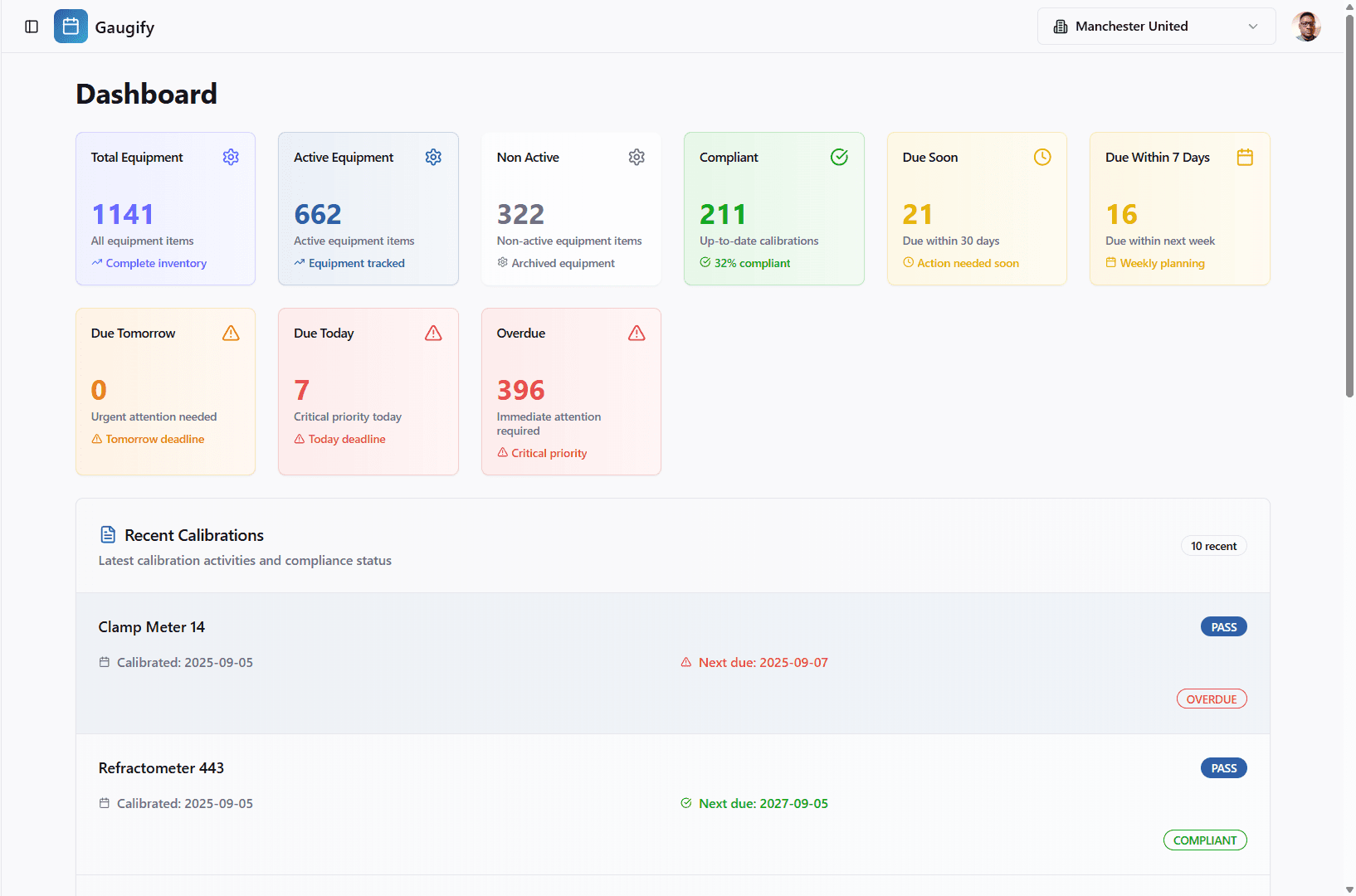
How to Calibrate Centrifuges
Centrifuge calibration is a critical quality control process that ensures these essential laboratory instruments operate within specified parameters for accurate sample separation and analysis. Whether you're managing a clinical laboratory, research facility, or quality control department, maintaining properly calibrated centrifuges is essential for reliable results and regulatory compliance. This comprehensive guide covers everything quality managers and lab technicians need to know about implementing effective centrifuge calibration procedures.
Understanding Centrifuges and Their Measurement Functions
Centrifuges are precision instruments that use centrifugal force to separate substances of different densities within samples. They operate by spinning samples at high speeds, typically ranging from 1,000 to 30,000 revolutions per minute (RPM), generating forces up to 100,000 times the force of gravity (100,000 x g).
Modern centrifuges measure and control several critical parameters:
Rotational Speed (RPM): The number of revolutions per minute, which directly affects separation efficiency
Relative Centrifugal Force (RCF): Measured in multiples of gravitational force (x g)
Temperature: Many refrigerated centrifuges maintain precise temperature control from -20°C to +40°C
Time: Run duration with accuracy typically within ±0.1% of set time
Acceleration and Deceleration Rates: Controlled ramping to prevent sample disruption
Common centrifuge types include benchtop models for routine laboratory work, high-speed units for molecular biology applications, and ultracentrifuges for specialized research requiring extreme speeds exceeding 100,000 RPM.
Why Centrifuge Calibration is Critical for Laboratory Operations
Accurate centrifuge calibration directly impacts sample integrity, test results, and regulatory compliance. Improperly calibrated centrifuges can lead to incomplete separation, sample degradation, or compromised analytical results that affect patient diagnosis, product quality, or research outcomes.
In clinical laboratories, centrifuge speed variations of just ±5% can significantly affect blood chemistry results, leading to misdiagnosis or inappropriate treatment decisions. For example, serum separation requires precise speed control—typically 3,000-4,000 RPM for 10 minutes—to ensure complete plasma separation without hemolysis.
Regulatory bodies including the Clinical Laboratory Improvement Amendments (CLIA), College of American Pathologists (CAP), and ISO 15189 require documented calibration programs for all measuring equipment. During audits, inspectors specifically examine calibration records for critical instruments like centrifuges, making proper calibration essential for maintaining accreditation.
The financial impact of calibration failures extends beyond regulatory penalties. A pharmaceutical company recently faced a $2.3 million product recall when inadequately calibrated centrifuges led to inconsistent API separation during manufacturing, demonstrating the cost of poor calibration management.
Step-by-Step Centrifuge Calibration Procedure
Proper centrifuge calibration requires systematic verification of speed, temperature (if applicable), timing accuracy, and vibration levels. Follow these detailed procedures for comprehensive calibration:
Pre-Calibration Preparation
Begin calibration in a controlled environment with ambient temperature stable within ±2°C and relative humidity between 30-70%. Allow the centrifuge to reach thermal equilibrium for at least 30 minutes before starting measurements. Document environmental conditions including temperature, humidity, and any potential vibration sources.
Verify that all rotors and accessories are properly installed and balanced. Inspect for visible damage, wear, or corrosion that could affect performance. Check that safety interlocks function properly and the lid closes securely.
Speed Calibration Using Stroboscopic Methods
For speed verification, use a calibrated stroboscope or photo-tachometer traceable to national standards with accuracy of ±0.1% or better. Mount reflective tape on the rotor or use the manufacturer's timing marks for reference.
Test at minimum five speed points across the operating range, including:
Minimum operating speed (typically 500-1,000 RPM)
25% of maximum speed
50% of maximum speed
75% of maximum speed
Maximum operating speed
At each test point, allow the centrifuge to stabilize for 2-3 minutes before taking measurements. Record three separate readings and calculate the average. Acceptance criteria typically require measured speed within ±2% of the displayed value, though some applications may require ±1% or tighter tolerances.
Temperature Calibration for Refrigerated Units
For refrigerated centrifuges, use calibrated temperature sensors with accuracy of ±0.1°C or better. Place sensors in representative locations within the rotor chamber, avoiding direct contact with air circulation paths.
Test temperature accuracy at three points: minimum operating temperature, ambient temperature, and maximum operating temperature. Allow 30 minutes stabilization at each set point before recording measurements. Typical acceptance criteria require temperature accuracy within ±2°C of the set value.
Timing Accuracy Verification
Verify timing accuracy using a calibrated stopwatch or timing reference traceable to national standards. Test both short runs (1-2 minutes) and longer cycles (15-30 minutes) to ensure consistent accuracy across the operating range.
Most centrifuges should maintain timing accuracy within ±1% of the set time. Document any systematic errors or drift patterns that may indicate internal clock calibration issues.
Ready to streamline your centrifuge calibration tracking? Start your free trial of Gaugify today
to automate scheduling, documentation, and compliance reporting for all your laboratory instruments.
Relevant Calibration Standards and Requirements
Several standards govern centrifuge calibration procedures and requirements, ensuring consistency across different industries and applications.
ISO Standards
ISO 80601-2-20 specifically addresses the safety and performance requirements for laboratory centrifuges, including calibration specifications. This standard requires speed accuracy within ±5% and temperature control within ±3°C for refrigerated models.
ISO 17025 establishes general requirements for calibration programs, including traceability, uncertainty calculations, and calibration intervals. Laboratories following ISO 17025 calibration software requirements must demonstrate measurement traceability to national standards.
Industry-Specific Guidelines
CLSI GP17-A3 provides clinical laboratory guidance for centrifuge calibration, recommending speed verification within ±5% and temperature accuracy within ±2°C for refrigerated units.
FDA 21 CFR Part 820 requires medical device manufacturers to establish and maintain calibration procedures for all inspection, measuring, and test equipment, including centrifuges used in quality control testing.
USP Chapter 41 addresses balance and centrifuge requirements for pharmaceutical applications, specifying tighter tolerances for critical separations.
Manufacturer Specifications
Always consult manufacturer specifications for model-specific requirements. Leading manufacturers like Thermo Fisher, Beckman Coulter, and Eppendorf provide detailed calibration procedures and acceptance criteria that may be more stringent than general standards.
Recommended Centrifuge Calibration Intervals
Calibration frequency depends on usage patterns, criticality of applications, environmental conditions, and regulatory requirements. Most organizations establish risk-based intervals considering these factors.
Standard Calibration Intervals
High-use clinical centrifuges: Quarterly calibration for instruments processing more than 100 samples per day or used for critical diagnostic tests.
Routine laboratory centrifuges: Semi-annual calibration for general-purpose instruments with moderate usage patterns.
Research and development centrifuges: Annual calibration may be acceptable for instruments used in non-critical applications with lower usage.
Specialized ultracentrifuges: Quarterly or semi-annual calibration due to extreme operating conditions and critical research applications.
Factors Affecting Calibration Frequency
Increase calibration frequency when instruments show historical drift patterns, operate in harsh environments, or experience heavy usage. Environmental factors like temperature fluctuations, vibration, or power quality issues may accelerate calibration drift.
Some organizations implement condition-based calibration, using trend analysis to optimize intervals. Instruments demonstrating consistent stability may qualify for extended intervals, while those showing drift require more frequent attention.
Regulatory requirements often dictate minimum frequencies. Clinical laboratories typically cannot exceed annual intervals regardless of stability data, while research facilities may have more flexibility based on risk assessment.
Common Centrifuge Calibration Mistakes and Prevention Strategies
Avoid these frequent calibration errors that can compromise accuracy and regulatory compliance:
Inadequate Environmental Control
Performing calibrations in unstable environmental conditions leads to inconsistent results. Temperature fluctuations during calibration can affect both instrument performance and reference standard accuracy. Always document environmental conditions and ensure stability throughout the calibration process.
Insufficient Warm-up Time
Many technicians begin measurements immediately after powering on equipment. Centrifuges require adequate thermal stabilization, typically 30-60 minutes, to reach stable operating conditions. This is particularly critical for refrigerated units where temperature control directly affects calibration accuracy.
Improper Reference Standard Selection
Using uncalibrated or inappropriate reference standards invalidates calibration results. Ensure all measurement standards maintain current calibration with demonstrated traceability to national references. Verify that reference standard accuracy is at least four times better than the instrument being calibrated (4:1 test accuracy ratio).
Incomplete Speed Range Testing
Testing only one or two speed points fails to identify non-linear errors across the operating range. Calibrate at multiple points representing the full speed spectrum, paying particular attention to commonly used settings.
Poor Documentation Practices
Incomplete or illegible calibration records create compliance risks and prevent effective trending analysis. Document all test conditions, measurements, calculations, and acceptance decisions clearly. Include technician identification, date, environmental conditions, and equipment serial numbers.
Ignoring Rotor-Specific Variations
Different rotors may exhibit varying performance characteristics on the same centrifuge. When practical, calibrate with rotors representing typical usage patterns, or document any rotor-specific limitations.
Tracking Centrifuge Calibration with Modern Management Systems
Effective calibration management requires systematic tracking of schedules, results, and compliance status across all laboratory instruments. Modern calibration management software like Gaugify transforms traditional paper-based systems into automated, compliant tracking solutions.
Automated Scheduling and Notifications
Gaugify's features include intelligent scheduling that automatically calculates due dates based on calibration intervals, usage patterns, and regulatory requirements. The system sends advance notifications to technicians and managers, preventing overdue calibrations that could impact operations or compliance.
For centrifuges requiring quarterly calibration, Gaugify sends notifications 30, 14, and 7 days before due dates, with escalation to supervisors for overdue items. This proactive approach eliminates the common problem of discovering overdue calibrations during audits.
Comprehensive Data Management
Digital calibration certificates capture all critical data including as-found and as-left readings, environmental conditions, reference standards used, and technician observations. The system maintains complete audit trails showing who performed calibrations, when they occurred, and what adjustments were made.
Gaugify stores unlimited historical data, enabling powerful trending analysis to optimize calibration intervals and identify instruments requiring increased attention. Quality managers can easily generate reports showing calibration status, compliance rates, and cost analysis across their entire instrument inventory.
Regulatory Compliance Support
The platform supports multiple regulatory frameworks including compliance with ISO 17025, CLIA, CAP, and FDA requirements. Automated report generation creates audit-ready documentation, while built-in validation features ensure data integrity and traceability.
During regulatory inspections, auditors can access complete calibration histories, trending data, and compliance metrics through standardized reports. This transparency demonstrates commitment to quality while reducing audit preparation time.
Integration with Laboratory Operations
Modern calibration management integrates with existing laboratory information systems (LIMS) and equipment databases. This connectivity ensures calibration status visibility during sample processing, preventing use of out-of-calibration instruments.
Mobile accessibility allows technicians to perform calibrations using tablets or smartphones, with real-time data synchronization to central servers. This capability is particularly valuable for multi-site organizations requiring consistent procedures across locations.
Start Optimizing Your Centrifuge Calibration Program Today
Effective centrifuge calibration requires systematic procedures, proper documentation, and proactive management to ensure consistent accuracy and regulatory compliance. By implementing standardized calibration procedures, maintaining appropriate intervals, and avoiding common mistakes, laboratories can maximize instrument reliability while minimizing compliance risks.
Modern calibration management systems eliminate the complexity and errors associated with manual tracking methods. Organizations using automated solutions report 40-60% reduction in calibration administrative time while achieving near-perfect compliance rates.
Don't let outdated calibration tracking put your laboratory operations at risk. Start your free trial of Gaugify today to experience automated scheduling, comprehensive documentation, and powerful reporting capabilities that transform calibration management from a compliance burden into a competitive advantage.
Ready to see how Gaugify can streamline your entire calibration program? Schedule a personalized demo to explore how our platform adapts to your specific laboratory requirements and regulatory needs.
How to Calibrate Centrifuges
Centrifuge calibration is a critical quality control process that ensures these essential laboratory instruments operate within specified parameters for accurate sample separation and analysis. Whether you're managing a clinical laboratory, research facility, or quality control department, maintaining properly calibrated centrifuges is essential for reliable results and regulatory compliance. This comprehensive guide covers everything quality managers and lab technicians need to know about implementing effective centrifuge calibration procedures.
Understanding Centrifuges and Their Measurement Functions
Centrifuges are precision instruments that use centrifugal force to separate substances of different densities within samples. They operate by spinning samples at high speeds, typically ranging from 1,000 to 30,000 revolutions per minute (RPM), generating forces up to 100,000 times the force of gravity (100,000 x g).
Modern centrifuges measure and control several critical parameters:
Rotational Speed (RPM): The number of revolutions per minute, which directly affects separation efficiency
Relative Centrifugal Force (RCF): Measured in multiples of gravitational force (x g)
Temperature: Many refrigerated centrifuges maintain precise temperature control from -20°C to +40°C
Time: Run duration with accuracy typically within ±0.1% of set time
Acceleration and Deceleration Rates: Controlled ramping to prevent sample disruption
Common centrifuge types include benchtop models for routine laboratory work, high-speed units for molecular biology applications, and ultracentrifuges for specialized research requiring extreme speeds exceeding 100,000 RPM.
Why Centrifuge Calibration is Critical for Laboratory Operations
Accurate centrifuge calibration directly impacts sample integrity, test results, and regulatory compliance. Improperly calibrated centrifuges can lead to incomplete separation, sample degradation, or compromised analytical results that affect patient diagnosis, product quality, or research outcomes.
In clinical laboratories, centrifuge speed variations of just ±5% can significantly affect blood chemistry results, leading to misdiagnosis or inappropriate treatment decisions. For example, serum separation requires precise speed control—typically 3,000-4,000 RPM for 10 minutes—to ensure complete plasma separation without hemolysis.
Regulatory bodies including the Clinical Laboratory Improvement Amendments (CLIA), College of American Pathologists (CAP), and ISO 15189 require documented calibration programs for all measuring equipment. During audits, inspectors specifically examine calibration records for critical instruments like centrifuges, making proper calibration essential for maintaining accreditation.
The financial impact of calibration failures extends beyond regulatory penalties. A pharmaceutical company recently faced a $2.3 million product recall when inadequately calibrated centrifuges led to inconsistent API separation during manufacturing, demonstrating the cost of poor calibration management.
Step-by-Step Centrifuge Calibration Procedure
Proper centrifuge calibration requires systematic verification of speed, temperature (if applicable), timing accuracy, and vibration levels. Follow these detailed procedures for comprehensive calibration:
Pre-Calibration Preparation
Begin calibration in a controlled environment with ambient temperature stable within ±2°C and relative humidity between 30-70%. Allow the centrifuge to reach thermal equilibrium for at least 30 minutes before starting measurements. Document environmental conditions including temperature, humidity, and any potential vibration sources.
Verify that all rotors and accessories are properly installed and balanced. Inspect for visible damage, wear, or corrosion that could affect performance. Check that safety interlocks function properly and the lid closes securely.
Speed Calibration Using Stroboscopic Methods
For speed verification, use a calibrated stroboscope or photo-tachometer traceable to national standards with accuracy of ±0.1% or better. Mount reflective tape on the rotor or use the manufacturer's timing marks for reference.
Test at minimum five speed points across the operating range, including:
Minimum operating speed (typically 500-1,000 RPM)
25% of maximum speed
50% of maximum speed
75% of maximum speed
Maximum operating speed
At each test point, allow the centrifuge to stabilize for 2-3 minutes before taking measurements. Record three separate readings and calculate the average. Acceptance criteria typically require measured speed within ±2% of the displayed value, though some applications may require ±1% or tighter tolerances.
Temperature Calibration for Refrigerated Units
For refrigerated centrifuges, use calibrated temperature sensors with accuracy of ±0.1°C or better. Place sensors in representative locations within the rotor chamber, avoiding direct contact with air circulation paths.
Test temperature accuracy at three points: minimum operating temperature, ambient temperature, and maximum operating temperature. Allow 30 minutes stabilization at each set point before recording measurements. Typical acceptance criteria require temperature accuracy within ±2°C of the set value.
Timing Accuracy Verification
Verify timing accuracy using a calibrated stopwatch or timing reference traceable to national standards. Test both short runs (1-2 minutes) and longer cycles (15-30 minutes) to ensure consistent accuracy across the operating range.
Most centrifuges should maintain timing accuracy within ±1% of the set time. Document any systematic errors or drift patterns that may indicate internal clock calibration issues.
Ready to streamline your centrifuge calibration tracking? Start your free trial of Gaugify today
to automate scheduling, documentation, and compliance reporting for all your laboratory instruments.
Relevant Calibration Standards and Requirements
Several standards govern centrifuge calibration procedures and requirements, ensuring consistency across different industries and applications.
ISO Standards
ISO 80601-2-20 specifically addresses the safety and performance requirements for laboratory centrifuges, including calibration specifications. This standard requires speed accuracy within ±5% and temperature control within ±3°C for refrigerated models.
ISO 17025 establishes general requirements for calibration programs, including traceability, uncertainty calculations, and calibration intervals. Laboratories following ISO 17025 calibration software requirements must demonstrate measurement traceability to national standards.
Industry-Specific Guidelines
CLSI GP17-A3 provides clinical laboratory guidance for centrifuge calibration, recommending speed verification within ±5% and temperature accuracy within ±2°C for refrigerated units.
FDA 21 CFR Part 820 requires medical device manufacturers to establish and maintain calibration procedures for all inspection, measuring, and test equipment, including centrifuges used in quality control testing.
USP Chapter 41 addresses balance and centrifuge requirements for pharmaceutical applications, specifying tighter tolerances for critical separations.
Manufacturer Specifications
Always consult manufacturer specifications for model-specific requirements. Leading manufacturers like Thermo Fisher, Beckman Coulter, and Eppendorf provide detailed calibration procedures and acceptance criteria that may be more stringent than general standards.
Recommended Centrifuge Calibration Intervals
Calibration frequency depends on usage patterns, criticality of applications, environmental conditions, and regulatory requirements. Most organizations establish risk-based intervals considering these factors.
Standard Calibration Intervals
High-use clinical centrifuges: Quarterly calibration for instruments processing more than 100 samples per day or used for critical diagnostic tests.
Routine laboratory centrifuges: Semi-annual calibration for general-purpose instruments with moderate usage patterns.
Research and development centrifuges: Annual calibration may be acceptable for instruments used in non-critical applications with lower usage.
Specialized ultracentrifuges: Quarterly or semi-annual calibration due to extreme operating conditions and critical research applications.
Factors Affecting Calibration Frequency
Increase calibration frequency when instruments show historical drift patterns, operate in harsh environments, or experience heavy usage. Environmental factors like temperature fluctuations, vibration, or power quality issues may accelerate calibration drift.
Some organizations implement condition-based calibration, using trend analysis to optimize intervals. Instruments demonstrating consistent stability may qualify for extended intervals, while those showing drift require more frequent attention.
Regulatory requirements often dictate minimum frequencies. Clinical laboratories typically cannot exceed annual intervals regardless of stability data, while research facilities may have more flexibility based on risk assessment.
Common Centrifuge Calibration Mistakes and Prevention Strategies
Avoid these frequent calibration errors that can compromise accuracy and regulatory compliance:
Inadequate Environmental Control
Performing calibrations in unstable environmental conditions leads to inconsistent results. Temperature fluctuations during calibration can affect both instrument performance and reference standard accuracy. Always document environmental conditions and ensure stability throughout the calibration process.
Insufficient Warm-up Time
Many technicians begin measurements immediately after powering on equipment. Centrifuges require adequate thermal stabilization, typically 30-60 minutes, to reach stable operating conditions. This is particularly critical for refrigerated units where temperature control directly affects calibration accuracy.
Improper Reference Standard Selection
Using uncalibrated or inappropriate reference standards invalidates calibration results. Ensure all measurement standards maintain current calibration with demonstrated traceability to national references. Verify that reference standard accuracy is at least four times better than the instrument being calibrated (4:1 test accuracy ratio).
Incomplete Speed Range Testing
Testing only one or two speed points fails to identify non-linear errors across the operating range. Calibrate at multiple points representing the full speed spectrum, paying particular attention to commonly used settings.
Poor Documentation Practices
Incomplete or illegible calibration records create compliance risks and prevent effective trending analysis. Document all test conditions, measurements, calculations, and acceptance decisions clearly. Include technician identification, date, environmental conditions, and equipment serial numbers.
Ignoring Rotor-Specific Variations
Different rotors may exhibit varying performance characteristics on the same centrifuge. When practical, calibrate with rotors representing typical usage patterns, or document any rotor-specific limitations.
Tracking Centrifuge Calibration with Modern Management Systems
Effective calibration management requires systematic tracking of schedules, results, and compliance status across all laboratory instruments. Modern calibration management software like Gaugify transforms traditional paper-based systems into automated, compliant tracking solutions.
Automated Scheduling and Notifications
Gaugify's features include intelligent scheduling that automatically calculates due dates based on calibration intervals, usage patterns, and regulatory requirements. The system sends advance notifications to technicians and managers, preventing overdue calibrations that could impact operations or compliance.
For centrifuges requiring quarterly calibration, Gaugify sends notifications 30, 14, and 7 days before due dates, with escalation to supervisors for overdue items. This proactive approach eliminates the common problem of discovering overdue calibrations during audits.
Comprehensive Data Management
Digital calibration certificates capture all critical data including as-found and as-left readings, environmental conditions, reference standards used, and technician observations. The system maintains complete audit trails showing who performed calibrations, when they occurred, and what adjustments were made.
Gaugify stores unlimited historical data, enabling powerful trending analysis to optimize calibration intervals and identify instruments requiring increased attention. Quality managers can easily generate reports showing calibration status, compliance rates, and cost analysis across their entire instrument inventory.
Regulatory Compliance Support
The platform supports multiple regulatory frameworks including compliance with ISO 17025, CLIA, CAP, and FDA requirements. Automated report generation creates audit-ready documentation, while built-in validation features ensure data integrity and traceability.
During regulatory inspections, auditors can access complete calibration histories, trending data, and compliance metrics through standardized reports. This transparency demonstrates commitment to quality while reducing audit preparation time.
Integration with Laboratory Operations
Modern calibration management integrates with existing laboratory information systems (LIMS) and equipment databases. This connectivity ensures calibration status visibility during sample processing, preventing use of out-of-calibration instruments.
Mobile accessibility allows technicians to perform calibrations using tablets or smartphones, with real-time data synchronization to central servers. This capability is particularly valuable for multi-site organizations requiring consistent procedures across locations.
Start Optimizing Your Centrifuge Calibration Program Today
Effective centrifuge calibration requires systematic procedures, proper documentation, and proactive management to ensure consistent accuracy and regulatory compliance. By implementing standardized calibration procedures, maintaining appropriate intervals, and avoiding common mistakes, laboratories can maximize instrument reliability while minimizing compliance risks.
Modern calibration management systems eliminate the complexity and errors associated with manual tracking methods. Organizations using automated solutions report 40-60% reduction in calibration administrative time while achieving near-perfect compliance rates.
Don't let outdated calibration tracking put your laboratory operations at risk. Start your free trial of Gaugify today to experience automated scheduling, comprehensive documentation, and powerful reporting capabilities that transform calibration management from a compliance burden into a competitive advantage.
Ready to see how Gaugify can streamline your entire calibration program? Schedule a personalized demo to explore how our platform adapts to your specific laboratory requirements and regulatory needs.